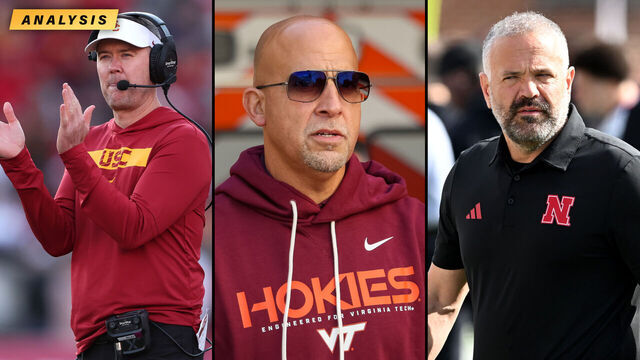
The early signing period essentially killed the pomp and circumstance that used to be associated with National Signing Day.
All of ESPN's top 100 players for this cycle had signed before Wednesday, draining the drama that used to carry the day.
However, with National Signing Day marking the cycle's finish, we can take stock of the entire period and name our winners and losers.
Winners
USC
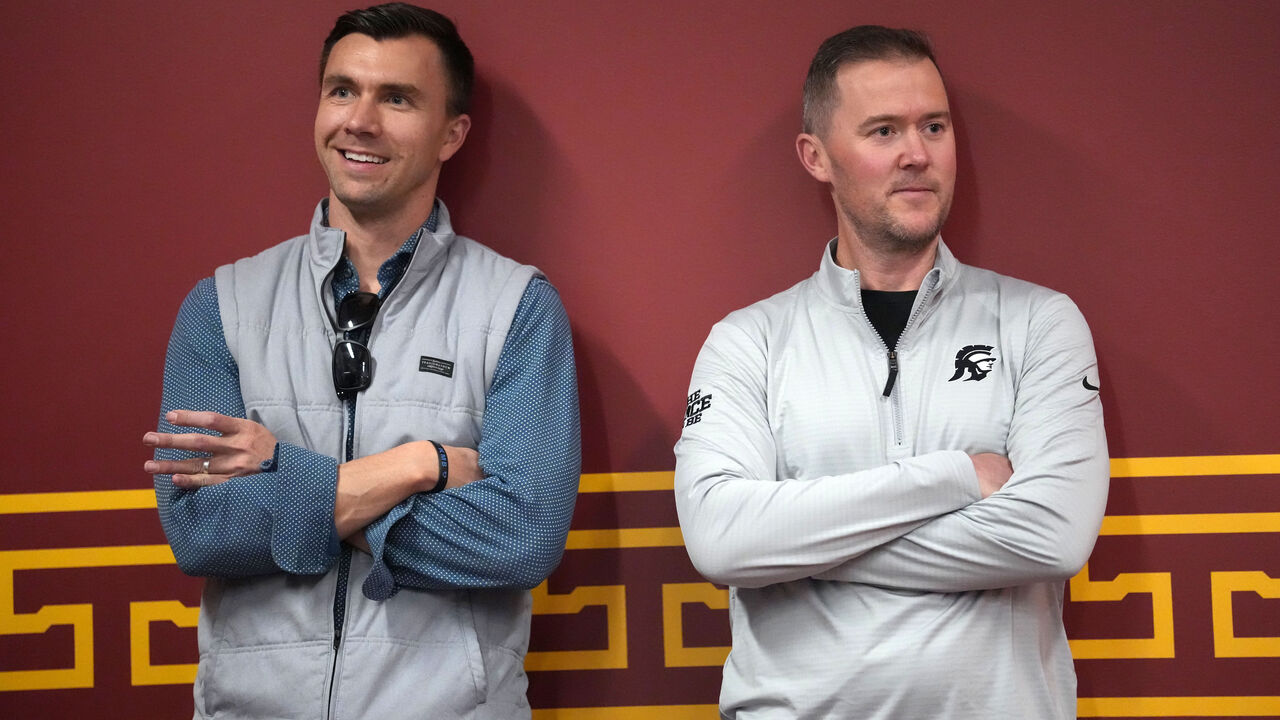
Feel free to criticize Lincoln Riley's on-field tenure at USC - there's no shortage of material - but he's scorching hot on the recruiting trail. He's got the nation's top-ranked class, pulling in an eye-popping 36 recruits to give the Trojans a much-needed talent infusion. And this class isn't just quantity over quality. USC landed 19 players from the ESPN 300, including a pair of five-star pass-catchers in receiver Ethan Feaster and tight end Mark Bowman. Expect both to contribute immediately. A major reason for Riley's success is the performance of general manager Chad Bowden, now a year into the job after joining from Notre Dame last January. He's been pivotal in restocking the USC roster after a number of key draft departures and graduations last year. With the off-field job finished, it's now on Riley to deliver results and get the Trojans to the College Football Playoff.
Michigan
If the early recruiting returns are any indication, Kyle Whittingham is going to be a very popular man at Michigan. The new Wolverines coach delivered a strong class in a limited time frame headlined by three top-five players at their positions. Carter Meadows is the next man up in the Michigan defensive line factory, with the five-star defensive end remaining committed to the program through the coaching change. Whittingham convinced receiver Salesi Moa to follow him from Utah to Michigan, with the fifth-ranked wideout transferring shortly after signing with the Utes. However, the crown jewel on offense is running back Savion Hiter, who's garnering high praise from across the recruiting industry.
"Michigan just landed the most explosive, dynamic offensive player in the country," On3 vice president of national recruiting Steve Wiltfong told Ryan Zuke of MLive.com in August. "Reminds me of (former Ohio State running back and five-star recruit) TreVeyon Henderson. Running back was a huge need for the maize and blue this cycle. He is a plug-and-play guy in that backfield."
North Carolina's trajectory
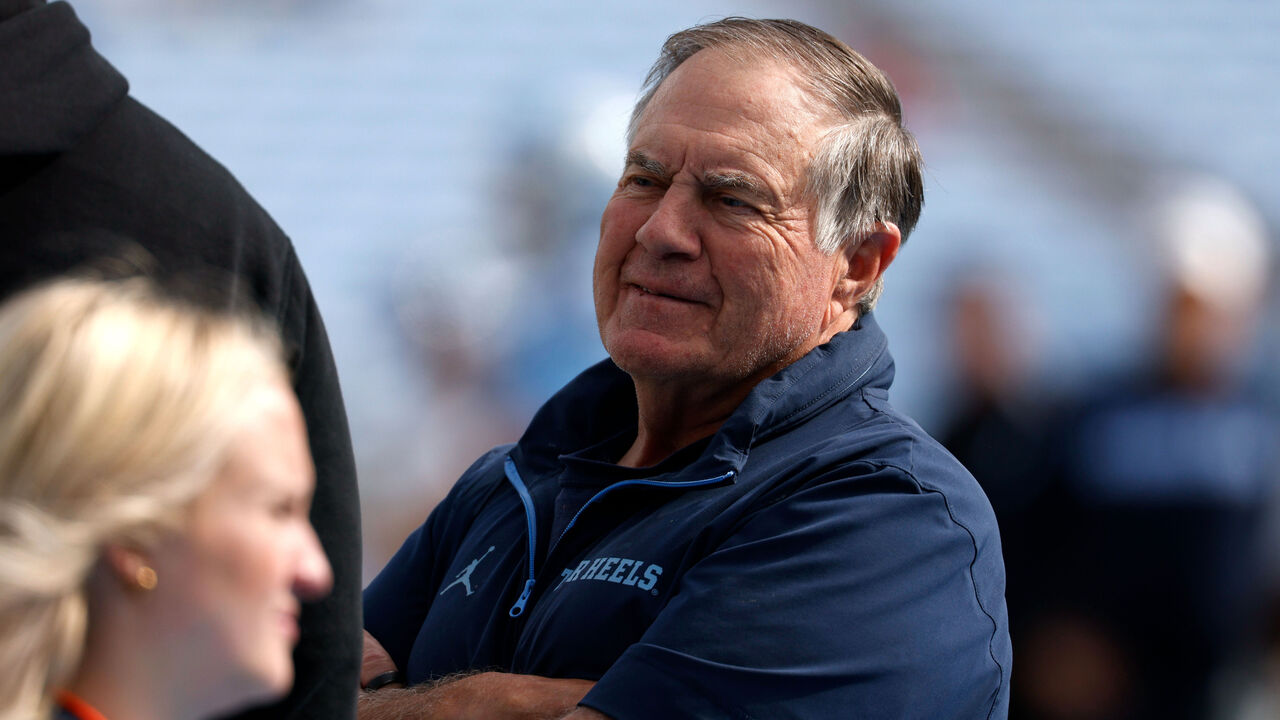
North Carolina is going to need multiple rounds of name-game icebreakers at spring practice after flipping nearly half the team from Bill Belichick's debut season. The Tar Heels have added 59 new players to the roster for 2026 - 39 of them coming from high school. Significant additions will inflate a team's overall ranking, but Belichick's haul includes 10 players on the ESPN 300. In total, nine of North Carolina's signees are top-20 players at their positions. The Tar Heels may still be a long way from general manager Mike Lombardi's absurd vision of becoming the "33rd NFL team," but the roster should be greatly improved from Year 1.
Notre Dame
Marcus Freeman once again showed his preference to lean on high school recruiting rather than the transfer portal in the offseason. While Notre Dame's transfer haul was lean but featured a number of top-ranked players, the recruiting cycle brought 30 players to South Bend, 18 of them in the ESPN 300. Star defensive end Rodney Dunham leads the defense alongside the nation's second-ranked corner in Khary Adams, while tight end Ian Premer and offensive tackle Tyler Merrill bring some beef to the Irish. Freeman also landed two players with NFL lineage in Thomas Davis Jr. and Devin Fitzgerald, the sons of linebacker Thomas Davis and receiver Larry Fitzgerald.
Vanderbilt's reputation
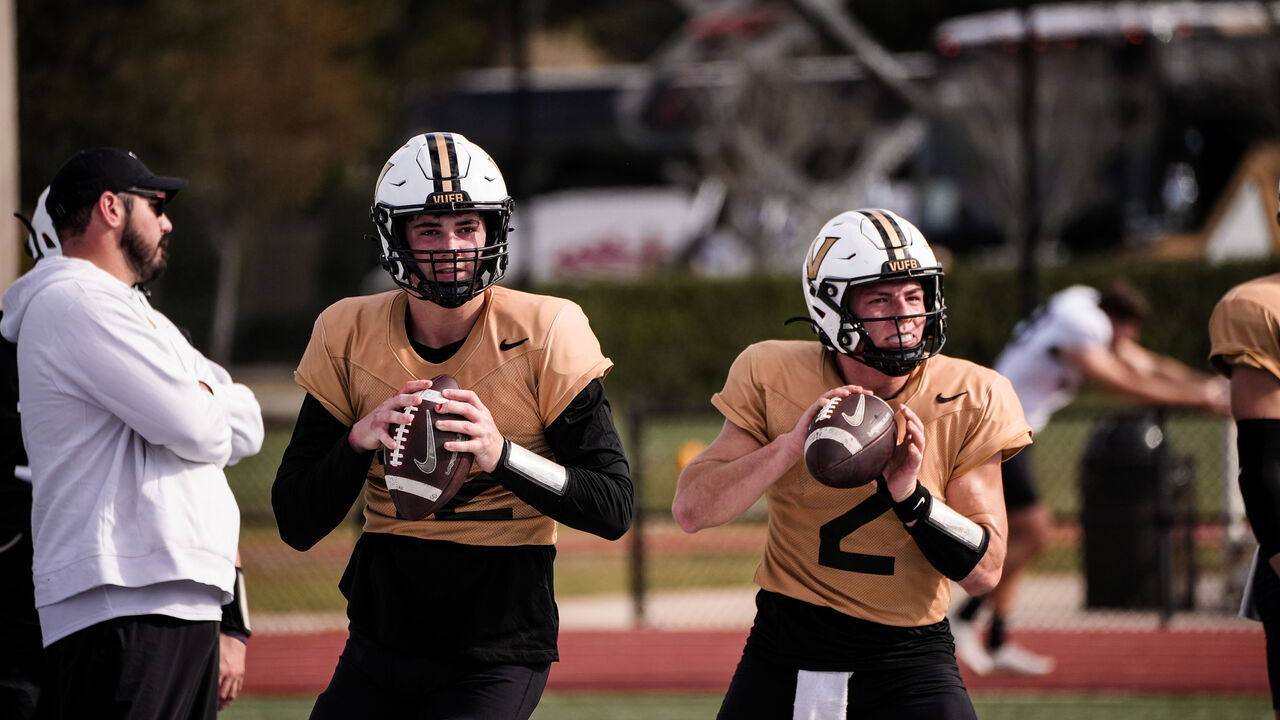
Outside of Indiana, Vanderbilt might be the school that most clearly shows how much the college football landscape has changed. The longtime SEC laughingstock made itself comfortable near the top of the conference standings and posted its highest AP poll ranking since 1937. Now the Commodores are flipping five-star quarterbacks from Georgia. Jared Curtis' decision to stay home in Nashville immediately makes him the top recruit in Vanderbilt history. He's the centerpiece of a historic haul for the program, with tight end Tilden Riley and running backs Evan Hampton and Izayah Lee all ranking inside the top-40 nationally at their positions. Get used to Vanderbilt being relevant in the SEC, as this recruiting cycle showed it can hang off the field as well.
James Franklin's current employer
James Franklin's ceiling as a coach may fall below national title contention, but he's an undoubtedly elite recruiter. In just a few months, Franklin took Virginia Tech's recruiting class from outside the top 75 nationally to No. 21 in ESPN's final rankings. The main reason was the vast swath of Penn State commits that followed him to Blacksburg, headlined by running back Messiah Mickens and the offensive tackle duo of Marlen Bright and Roseby Lubintus. Add in the quarterback of the future in Troy Huhn - who also followed Franklin from Penn State - and the offense should be set for years to come.
Losers
James Franklin's old employer
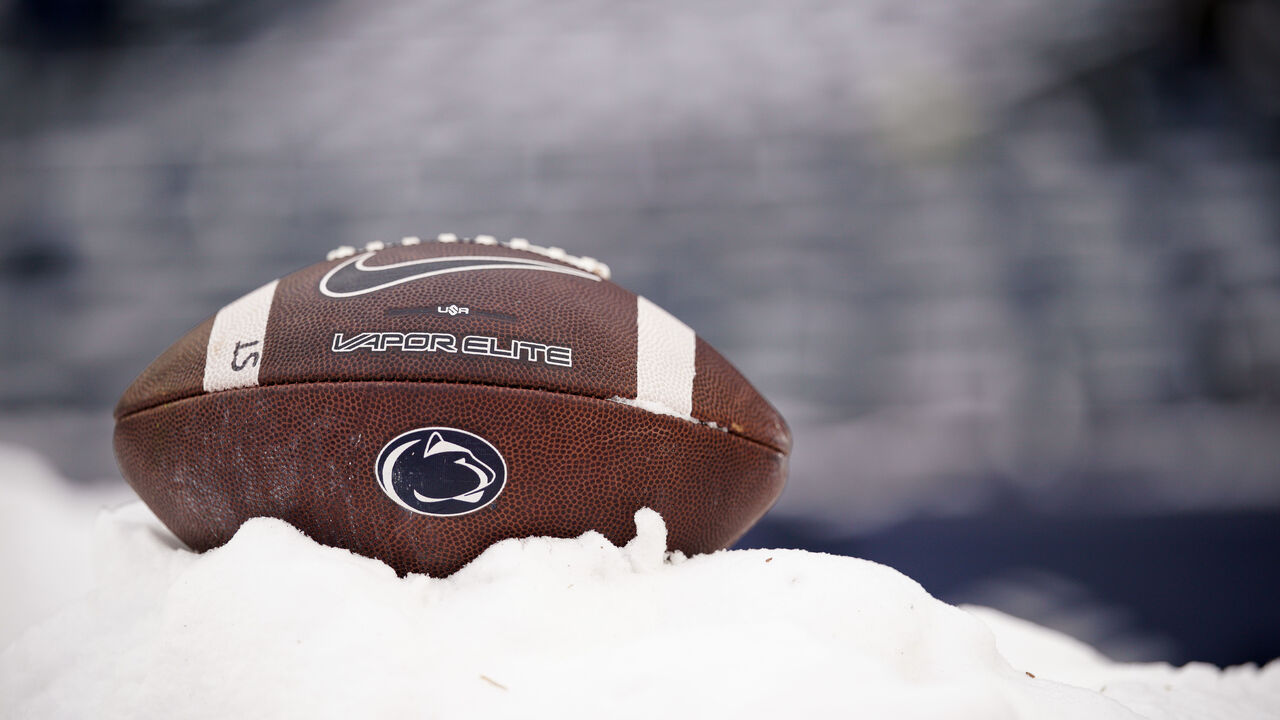
Penn State knew that firing Franklin would result in recruiting turnover, but losing more than 23 players - 11 to Virginia Tech - was probably more severe than expected. The Nittany Lions' 2026 roster will be filled with Iowa State transfers after new coach Matt Campbell brought more than 20 players with him to Happy Valley. You can make your own predictions as to how a roster largely composed of the Big 12's eighth-best team will fare in the Big Ten, but the days of perennial top-15 classes under Franklin appear to be over. If you're looking for some good news on the Penn State front, Campbell closed the cycle on an encouraging note: After falling as low as 150th in the rankings in the wake of Franklin's firing, Campbell pushed the Nittany Lions back up to No. 63.
Auburn
Auburn is another program that got hit hard by a coaching change. Alex Golesh tried to salvage the recruiting class after coming over from South Florida and was able to retain a number of key pieces. However, according to 247 Sports' composite rankings, Auburn's 31st-rated class is the program's lowest in the publication's 14-year history. Four of the top commits ended up leaving, and the country's third-ranked safety, Bralan Womack, ended up at Mississippi State. The Tigers' recruiting history suggests they will be fine in the long run, but this year's crop was a step below the usual standard.
Big 12 depth
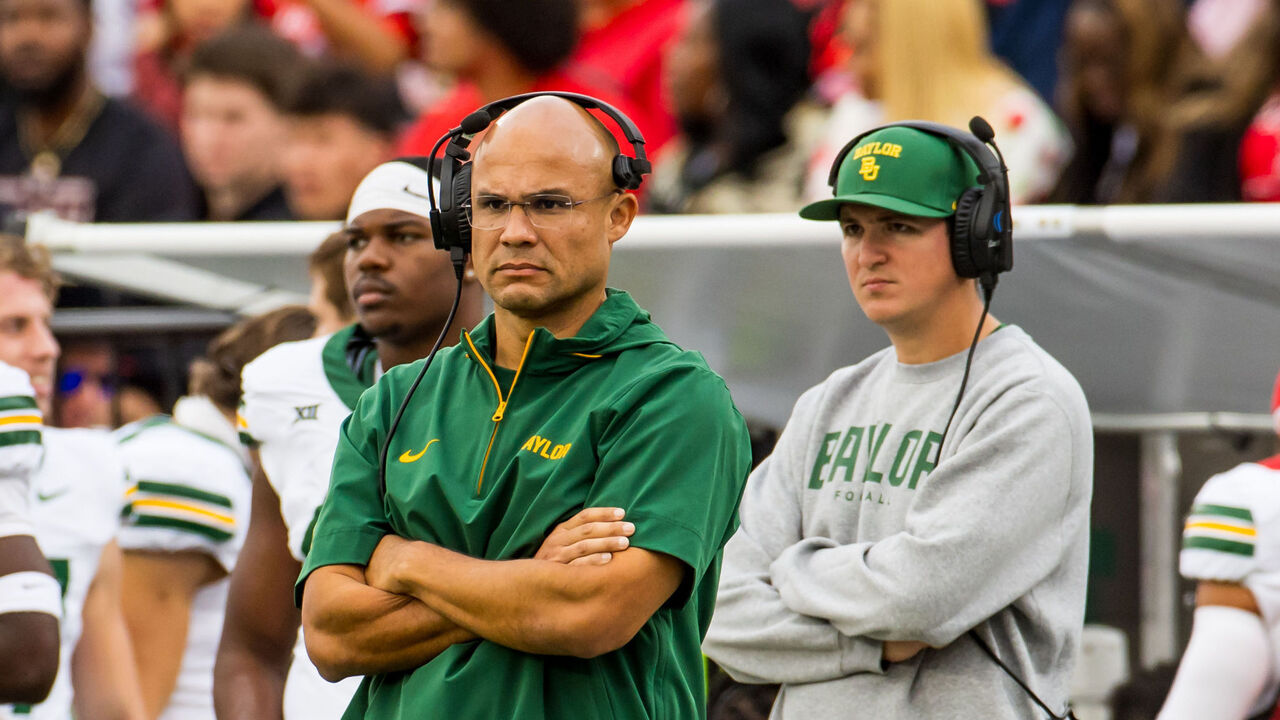
The Big 12 is technically a Power 4 conference. In recruiting, that status is up for debate. After the Big Ten and SEC, there's clear separation before landing on the ACC. It's another significant step down to the Big 12. Texas Tech, BYU, and Houston delivered strong cycles, but the rest of the conference didn't exactly cover itself in glory. Sure, West Virginia brought in a top-25 class on paper, but that's largely based on the whopping 48 commits joining the Mountaineers. Just three of them are four-star recruits, with the rest falling below that level. Baylor and Colorado both brought in fewer than 20 players and sit at the bottom of the Big 12 rankings as a result. In fact, only five Big 12 programs are inside the national top 40 of 247's composite rankings.
Nebraska
The good news for Nebraska? It landed Dylan Berymon's commitment Wednesday. He was the only remaining unsigned top-300 player. The bad news? He's only the third recruit inside that range to join Matt Rhule. The Cornhuskers went very light in this year's class, adding just 12 players - something that certainly contributed to their basement-dwelling ranking in the Big Ten. But their small group also lacks big-name pop, featuring only three four-star prospects. That's fewer than Minnesota, Michigan State and Rutgers - three schools Nebraska should be able to rise above both on and off the field.