Take the points? The 4th-down wars have no easy answers
It didn't take long in the AFC Championship Game before war between football's two fourth-down factions broke out.
The Denver Broncos were leading 7-0 early in the second quarter, facing fourth-and-1 on New England's 14-yard line.
On couches across the land, on barstools and in group chats, and in the stands at Mile High, the debate began: Go for it, or take the points?
The debate has been around for a long time, but it's taken on more weight in recent years as football's shorthand for old-school versus new-school thinking. More coaches are eschewing the easy points more often, trying instead to extend drives and score touchdowns, backed by win probability models that favor attempting fourth-down conversions instead of attempting field goals or (especially) punting.
Not so long ago, when presented with the situation that faced Broncos coach Sean Payton on Sunday, almost all coaches would have taken the points. But now, expectations have nearly flipped: It's a surprise when coaches aren't aggressive on their fourth-down calls.
The logic is sound. The math supports such decisions. But sometimes, they blow up in your face.
Take Sunday, for example. Payton didn't hesitate; he kept his offense on the field instead of sending out the kicking unit. But then he called a timeout.
Payton said later that he originally called a run but switched to a pass after the timeout. This turned out to be a mistake. The Patriots were set up to defend a short pass, and with inexperienced backup Jarrett Stidham at quarterback, the Broncos were doomed. RJ Harvey, the intended receiver, had no space, and the pass never had a chance.
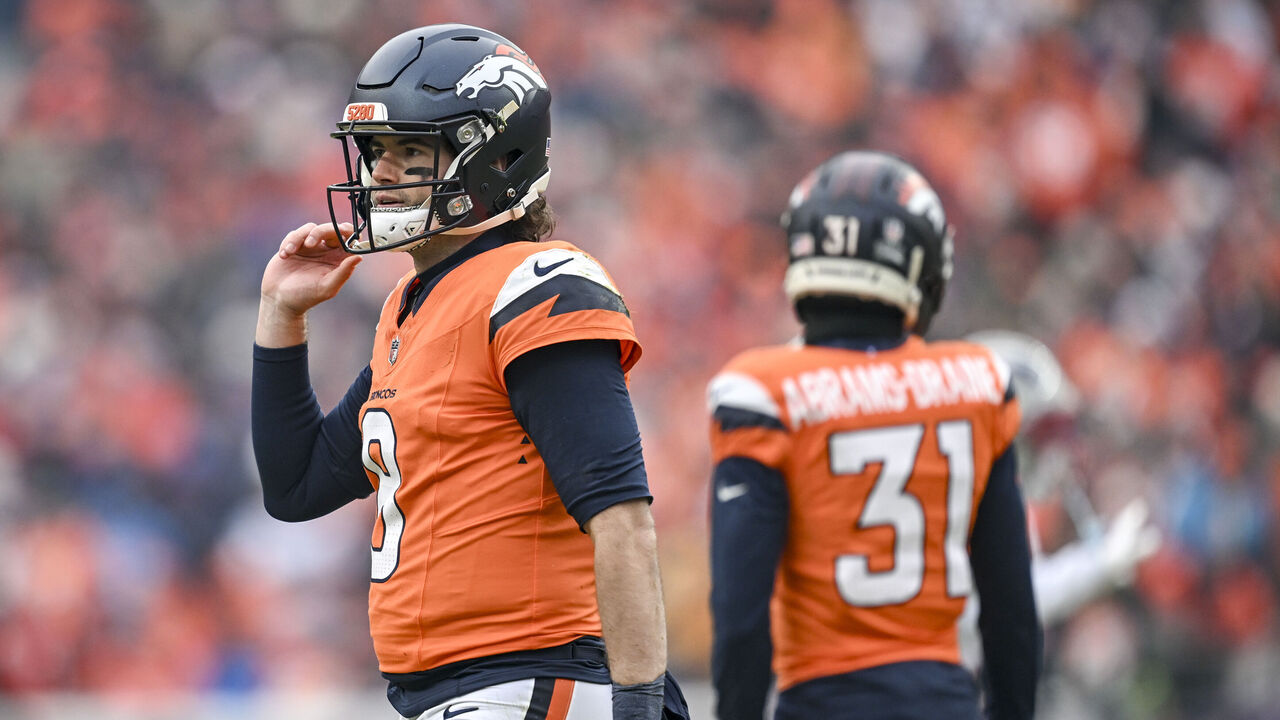
The Broncos remained stuck on seven points for the rest of the game and lost by three.
That outcome has given life to the take-the-points crowd. On the CBS broadcast, Tony Romo questioned the wisdom of going for it, noting that a 10-point lead might have been all the Broncos needed with their stout defense. By the end of the game, with both teams flailing in a blizzard, Romo was all but taunting Payton for his earlier call: Betcha wish you'd taken the points now, eh, smart guy?
It's easy to gloat, but Romo had a point even before Denver's play busted. While the win-probability models suggested an advantage in going for it - in this case, a very slight advantage - they didn't take into account that Stidham was the quarterback. If Payton was going to go for it, it didn't make much sense to put the ball in Stidham's hands and trust him to make the correct read and throw.
The field goal the Broncos didn't attempt would have been especially helpful given the snowstorm that arrived later in the game, although there's no indication that Payton gave much thought to the weather.
"I think the feeling was, 'Man, let’s be aggressive'," he said afterward.
Payton also said he will have an offseason with a lot of second thoughts.
It wouldn't take long to open another front in the fourth-down wars. In the NFC Championship Game a few hours later, the Los Angeles Rams had second-and-4 on the Seattle 6-yard-line and failed to gain any yardage on their next two plays. They were trailing 31-27 with about five minutes left in the fourth quarter.
Much like Payton earlier, Rams coach Sean McVay didn't hesitate, keeping his offense on the field in an attempt to convert the first down. And like the Broncos, they failed. Matthew Stafford couldn't find an open receiver, the ball dropped to the ground, and the Seahawks took over possession.
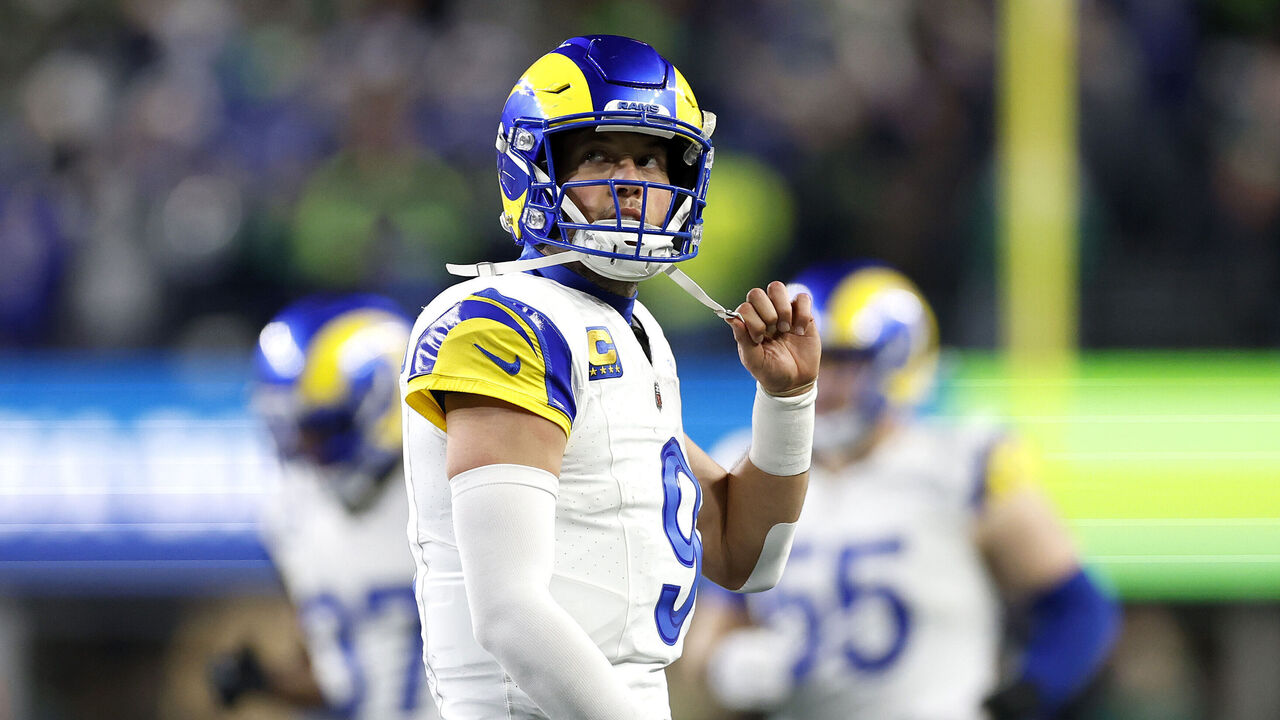
Another win for the take-the-points brigade? Not really. Let's say that McVay ordered the field goal, and the chip shot was good. That would have made the score 31-30 for Seattle with a little under five minutes left in the game.
The Seahawks' advantage would have been significant. All they would need to do was bleed a little clock and gain a few yards and they would be back in position to attempt a field goal that would restore the four-point lead - or to gain enough first downs that they could run out the clock completely. (The league's new kickoff rules make it much easier to get into field-goal position in such a scenario, too.)
At 31-30, would the Rams have been able to stop the Seahawks and get the ball back with enough time to attempt a game-winning field goal of their own? Maybe. But that outcome was far from certain. And a coach doesn't need a win-probability chart to understand that shutting down Jaxon Smith-Njigba, Kenneth Walker III, and Cooper Kupp, all of whom had already made big plays Sunday, was going to be a tall task.
That's the funny thing about these fourth-down decisions, which often leave people pronouncing the word "analytics" with obvious distaste: Even if it's sometimes wise to take the points, it isn't always.
The Rams needed a touchdown on that late drive to have a realistic prospect of winning. The fourth-down call was risky, but it was also pretty much necessary. Down by four points late, on the road, there are no easy answers.
Two teams lost Sunday. They both got burned by fourth-down calls. But one of them shouldn't waste any time on second thoughts.
Scott Stinson is a contributing writer for theScore.