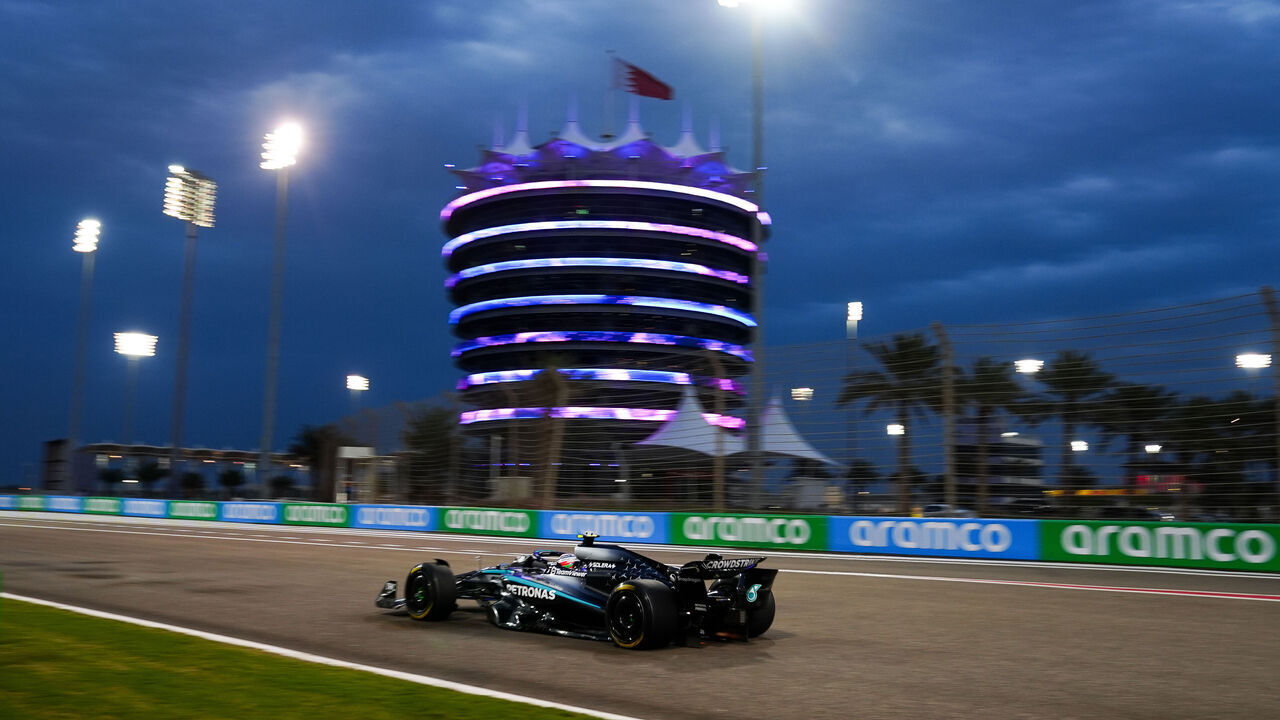
Formula 1 is set for another round of preseason testing, with the 2026 cars taking to the Bahrain circuit from Feb. 11-13 and Feb. 18-20.
Here are five questions we're hoping to have answered once preseason wraps up.
How much fear of Mercedes' pace is warranted?

The aura of invincibility has followed Mercedes for most of the winter break, a perception that continued in Barcelona. There, the team treated the shakedown as if the W17 was being taken on a test drive straight from the showroom. George Russell and Kimi Antonelli finished their programs without a hitch, both completing impressive long runs. However, the true test awaits in Bahrain, where Mercedes' general pace and potential advantage should be revealed. The Silver Arrows' performance could set the tone for public enthusiasm for the new regulations. From an entertainment standpoint, many hope it's not a repeat of the 2014 engine regulations, which led to Mercedes dominating in a class of its own.
Is there another contender that everyone has ignored?
Mercedes this, Mercedes that. The Silver Arrows may have momentum, but there's nothing to suggest the other teams won't also nail the regulations - at least not until we get the data to confirm. A lot of eyes are on Ferrari, McLaren, and Red Bull to emerge as front-runners, but how about Aston Martin? Adrian Newey's outfit has attracted praise from around the paddock, including from George Russell and Williams team boss James Vowles. That's the great thing about new regulations. Every team starts from scratch with no pre-existing advantages. Logic says there's a good chance that at least one of those teams will have the pace to make some noise.
What technical innovations will shock the paddock?
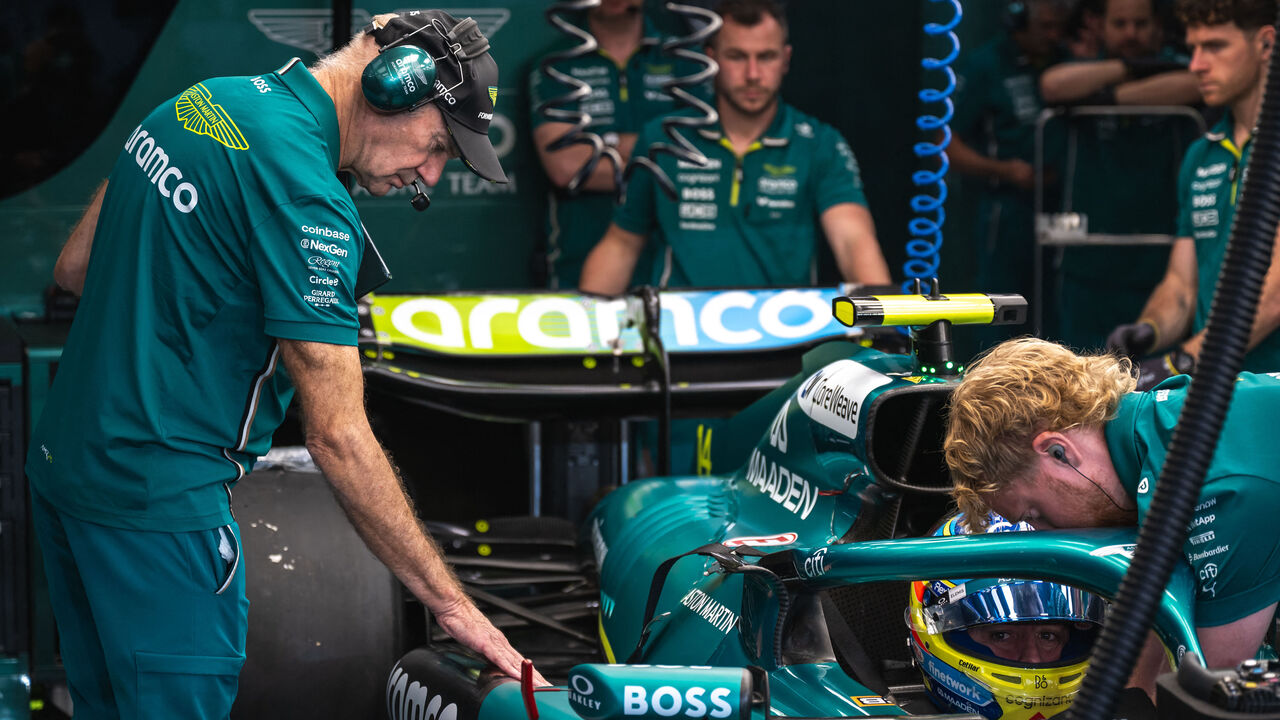
The best part about the preseason is finally getting to see cars on track, right? The answer is yes for most, but others are equally thrilled to see all the new cars and figure out what sets them apart. Recent photos from Barcelona reveal a wide variety of design choices, including suspension, sidepod shapes, and front and rear wings. With F1 championships being settled as much in the wind tunnel as they are on track, development is going to be a huge part in 2026. It's certainly possible that upgrades start flowing in for Bahrain testing, while the paddock might also get more answers about why teams made different choices, such as Aston Martin's rear suspension and Alpine's rear wing activation.
What was F1 so afraid of?
Fans will have to wait until the second round of preseason testing, Feb. 18-20, for the sessions to be broadcast from start to finish. Following a private shakedown in Barcelona that was restricted even to the media, only the final hour of each day will be broadcast during the first three-day test period in Bahrain. If F1 was feeling some anxiety over the reliability of the new regulations, the sport has done itself no favors with the over-the-top restrictions. By telling everyone to look away, it's only invited more questions about why everything is so secretive.
Will the new regulations translate well to viewers?
If there's one area of these regulations that F1 should be worrying about, it's not in the cockpit or under the engine cover. It's on the broadcast screen. With the increased electrical power in this rule set, battery deployment will be more important than ever. If you're wondering why a driver just lost significant time compared to his previous lap, or why another car just effortlessly sailed past him, chances are it's due to battery deployment.
F1 said goodbye to DRS due to the introduction of active aerodynamics. Replacing DRS is the Overtake Mode, which provides additional electrical energy when a driver is within one second of a competitor at the detection point. There's also a boost mode and a recharge option. All three listed modes rely on the power unit's electrical output. It's crucial for F1 to display the battery level to users and for the broadcast to communicate these changes effectively. If it sounds like a lot to wrap your head around, it's because it is. With so many updates, F1 must prioritize clear communication and ensure its audience can easily grasp the new regulations.
Daniel Valente is theScore's lead Formula 1 writer. Follow Daniel on X at @F1GuyDan.