The MLB offseason is underway. Follow along for analysis of all major transactions from November.
Jump to:
Cease I Gray I Semien-Nimmo I Naylor I December moves
Nov. 29
Williams crosses town to join Mets
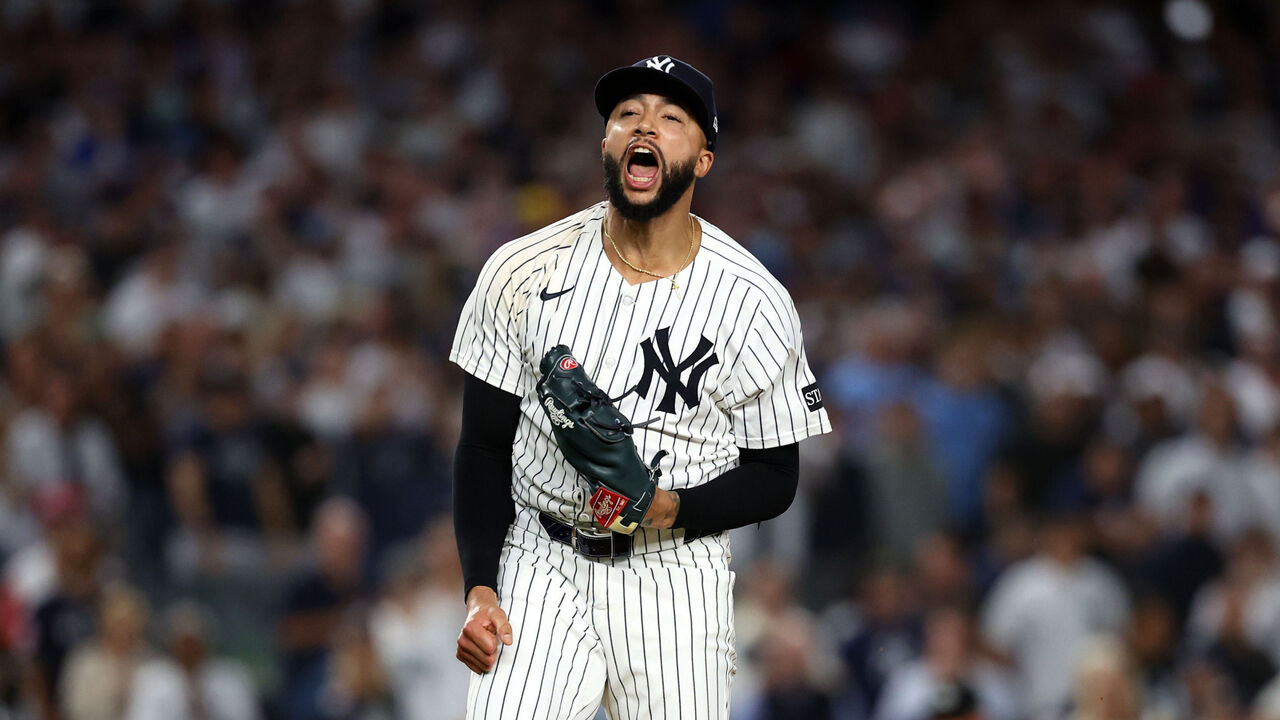
✍️ 3-year, $51M contract
What it means for the Mets: President of baseball operations David Stearns secured some insurance in case he's unable to re-sign Edwin Díaz by inking Devin Williams to a $51-million deal. It seems like a considerable sum for a reliever coming off an inconsistent year, but the early indication this winter is that the top-end relievers are getting paid. Williams' tenure with the New York Yankees was a tale of two seasons; the right-hander struggled over the first half, eventually losing the closer's role after posting a 5.73 ERA over his first 44 appearances. Some of that was bad luck, as indicated by Williams' 3.57 FIP, and he still managed to put up big strikeout numbers (11.45 K/9).
Williams was then dominant down the stretch in a setup role, producing a 2.50 ERA, 0.36 FIP, and 34 strikeouts over 18 innings. His 42.4% strikeout rate over the final two months of the season was second in the majors among relievers behind only Mason Miller. That performance - and his exceptional years in Milwaukee - is likely what made Stearns feel confident in handing over a three-year guaranteed contract.
Williams not only addresses a major need with Ryan Helsley's departure, but also gives the club a capable late-inning arm, and takes some pressure off needing to potentially spend $100 million to retain Díaz. Of course, this is certainly a gamble by the Mets. If Díaz signs elsewhere, there's an argument that could eventually be deployed that Williams' deal was a misallocation of resources. But the Mets have an abundance of holes left to fill this winter, and are already carrying a projected $277-million CBT payroll. It's going to be an expensive winter for Queens, and even Steve Cohen can't hand out money to everyone.
Orioles bank on Helsley bounce-back
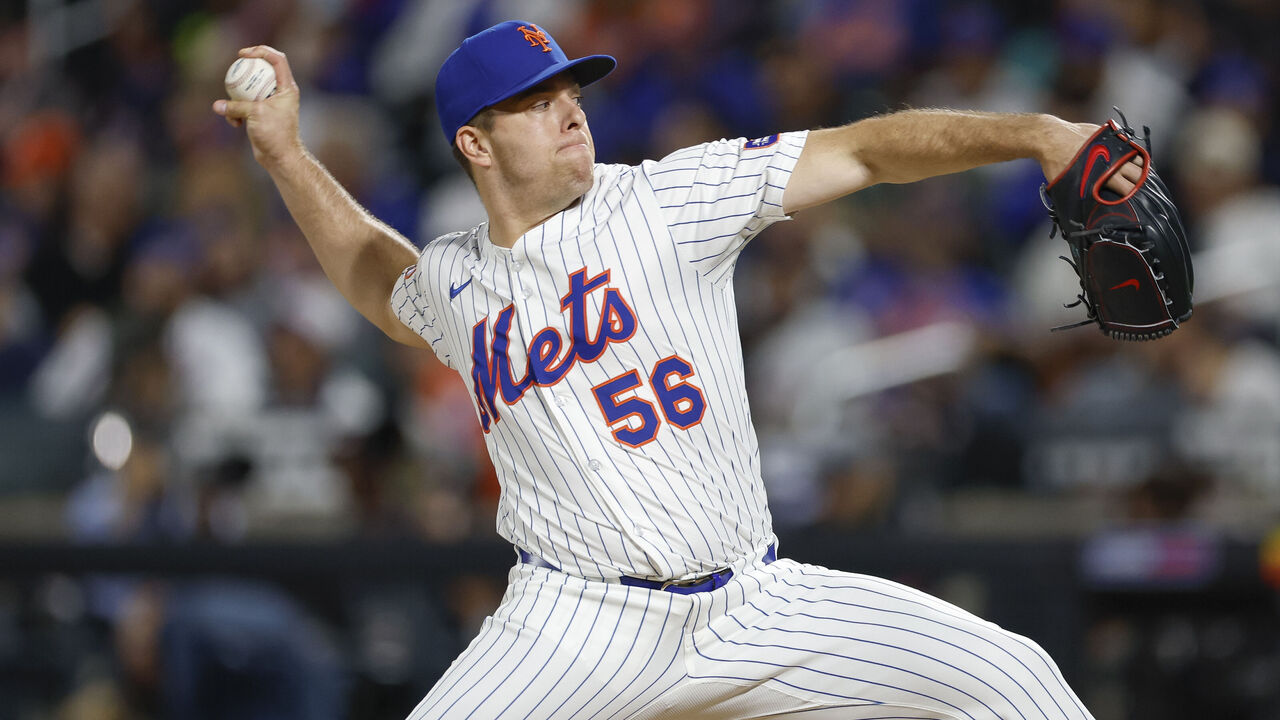
✍️ 2-year, $28M contract
What it means for Baltimore: The Orioles found their new closer in Ryan Helsley with Félix Bautista expected to miss most - if not all - of next season. Helsley inked a two-year deal, but his 2027 opt-out essentially makes it a one-year contract if he's able to return to his All-Star form from two seasons ago. Helsley was one of the best relievers in MLB from 2022-24, posting a 1.83 ERA and 12.1 K/9 over 167 2/3 innings while converting 82 saves. The 31-year-old allowed more contact, home runs, and walks last season, and he especially struggled following a trade to the Mets, posting a 7.20 ERA over 20 innings. Helsley said he was tipping his fastball with New York, and Baltimore clearly isn't too concerned. Neither was a majority of the league - despite Helsley's troubles, he reportedly received interest from as many as 15 clubs, with some even considering converting him to a starter.
Teams likely valued Helsley's elite four-seam fastball velocity (99th percentile), though he needs to do a better job of complementing it with his offspeed pitches: Opponents slugged .667 off his fastball in 2025 compared to .367 in 2024. The Orioles have been one of the busiest clubs to start the winter, already bringing in outfielders Taylor Ward and Leody Taveras in addition to reliever Andrew Kittredge. Ownership has obviously given president of baseball ops Mike Elias clearance to add payroll. Expect Elias to keep bolstering a bullpen that ranked 26th in ERA and 27th in WHIP last season.
Nov. 26
Blue Jays make major splash with Cease
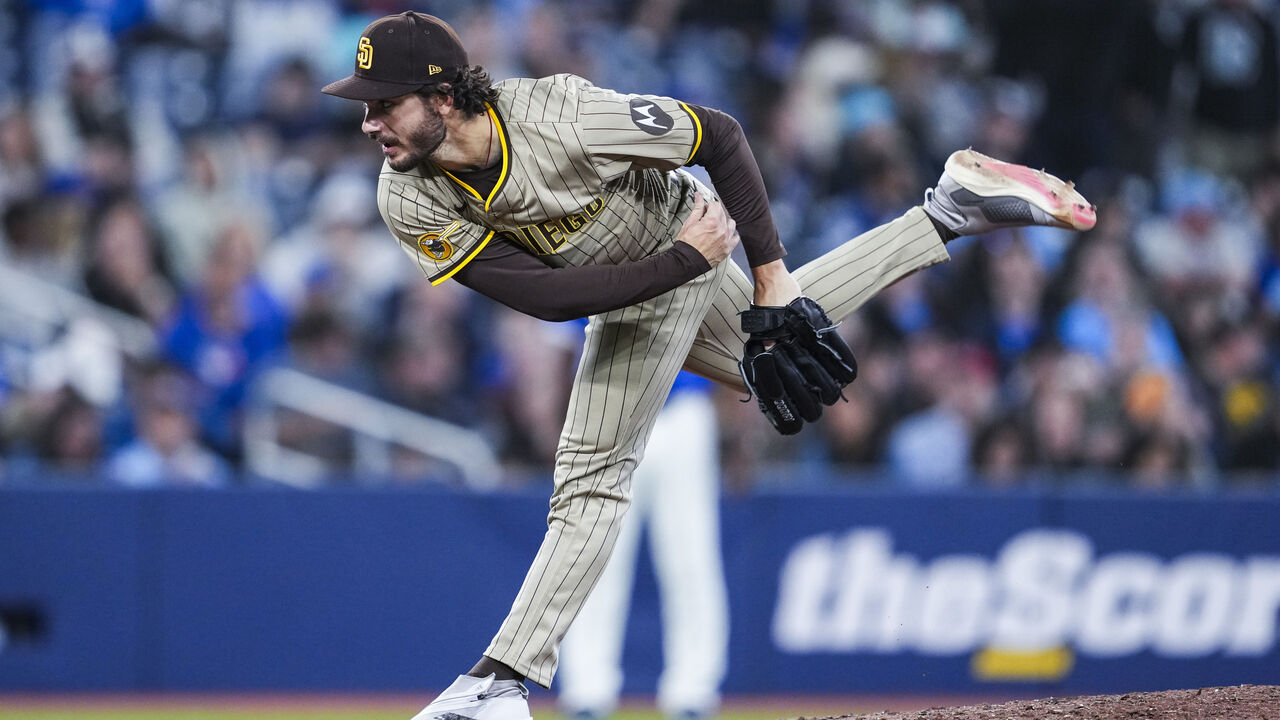
✍️ 7-year, $210M contract
What it means for Toronto: How is that for an early offseason statement from the reigning American League champs? The Blue Jays reportedly handed Dylan Cease the richest free-agent contract in franchise history to join what's arguably the most talented rotation in the AL alongside Kevin Gausman, Shane Bieber, Trey Yesavage, and José Berríos. Cease was one of the best starting pitchers available this winter, so it's a bit of a shock he signed so early. But considering he inked a $210-million deal, maybe it shouldn't be a complete surprise.
Cease is an exciting addition for Toronto. He's entering his age-30 season, making him younger than Ranger Suárez and Michael King. He's also coming off a year in which he led all qualified MLB starters with an 11.52 K/9. Cease has been exceptionally durable throughout his career, making at least 32 starts in each of the last five campaigns and not landing on the IL since 2021. He's also one of just four active pitchers to have struck out at least 200 batters and made at least 30 starts in five straight seasons. Cease ranked in the 80th percentile or higher in chase rate, fastball velocity (88th), K% (89th), and whiff rate (95th) in 2025 - he has elite stuff and keeps the ball in the yard. His slider was exceptional last season as well, generating a 43% whiff rate with batters slugging just .374 on the pitch.
But there are some areas Cease will need to clean up for him to justify the contract. He recorded a career-worst 4.55 ERA this past season, though a 3.56 FIP makes that a little easier to digest. Cease also posted a 1.33 WHIP, in part due to a 3.8 BB/9 that finished as the second-worst mark of his career since becoming an everyday starter in 2021. Additionally, he could pitch deeper into games. While he's consistently hit the 30-start plateau, he's never surpassed more than 189 innings, and he threw just 168 innings in 2025, with 19 of his 32 outings lasting five innings or less. Chasing fewer strikeouts and walking fewer batters could eventually lead to Cease pitching deeper into games, but that's more of a minor critique.
Blue Jays ownership and the front office deserve major credit for aggressively pursuing Cease. It clearly made the right-hander a priority and acted swiftly. With Gausman and Bieber pitching on expiring deals, the rotation needed more long-term stability, and the team has that with Cease locked up. Toronto's luxury-tax payroll currently sits around $275 million, per Roster Resource, so it'll be interesting to see how much the Blue Jays are willing to spend on a free-agent bat like Kyle Tucker or Bo Bichette. They carried a top-five payroll last season, and it appears they'll be among MLB's biggest spenders again. This is a huge message to the rest of the league: Toronto believes its World Series window is fully open, and it's going to spend like the big-market team it is.
Nov. 25
Red Sox add Gray to rotation
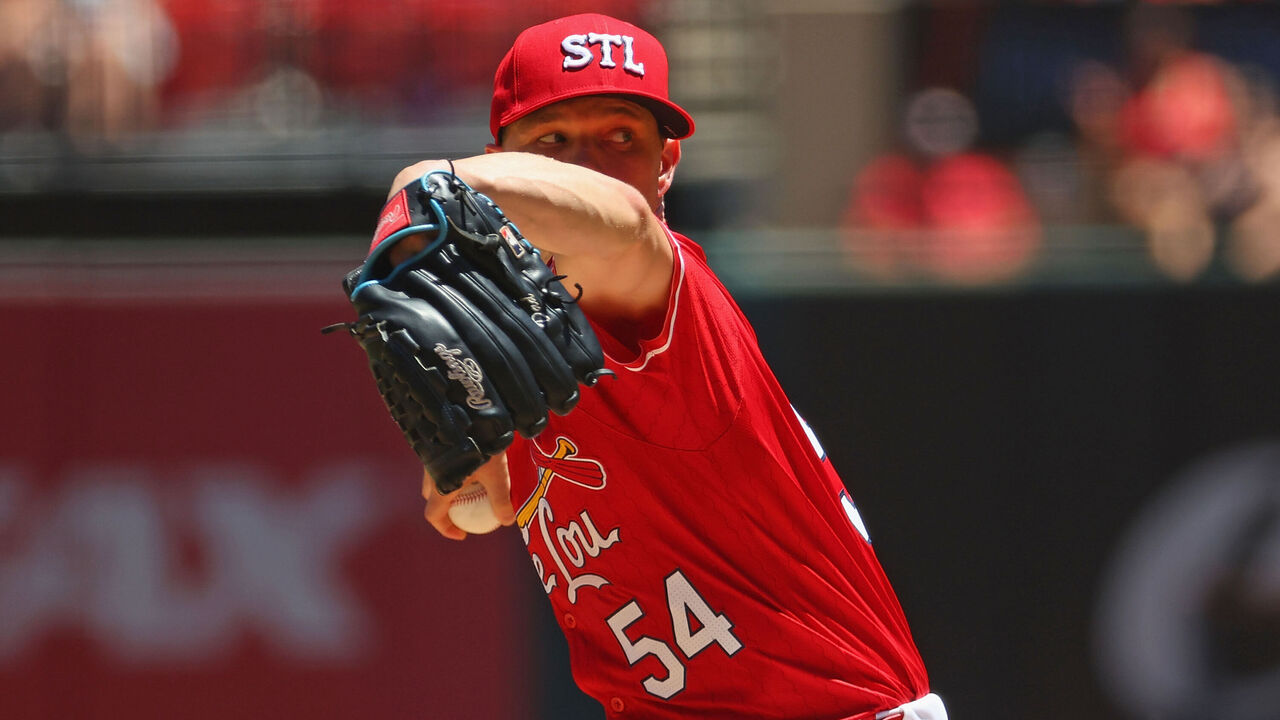
What it means for Boston: Chief baseball officer Craig Breslow said his priority this winter is to bring in impact starting pitching, and the first domino fell with the addition of Gray. The veteran right-hander is a nice pickup for the Red Sox, but the perception of this trade changes depending on what, if anything, Breslow does to the rotation next. Gray should be viewed as a No. 3 starter at this point in his career, meaning Boston still needs to add an impact pitcher to slot in behind Garrett Crochet. The Red Sox are paying Gray $21 million in 2026, with the Cardinals covering the other $20 million of his salary, affording Breslow some additional financial flexibility. The organization's improved pitching depth in the lower levels allowed Breslow to swing this deal without parting with anyone of real significance.
Gray's coming off a season in which he posted his highest ERA (4.28) and WHIP (1.23) since 2018, but he threw 180 innings, reached the 200-strikeout plateau for a second straight campaign, and led the NL with a 5.39 K/BB. Gray's 3.39 FIP, stellar control, and impressive off-speed stuff likely alleviate any concerns about his drop in fastball velocity. Expect Gray to utilize his splitter even more under pitching coach Andrew Bailey. This is a great move for the Red Sox, as long as they're still aiming to add a top-tier starter.
Well hit balls against Gray the last two years pic.twitter.com/5KVP31mrWk
— Stats (@redsoxstats) November 25, 2025
What it means for St. Louis: Of course, Chaim Bloom teamed up with his former club to pull off his first major move leading the Cardinals. Clearly, St. Louis is finally embracing a rebuild. Convincing Gray to not only waive his no-trade clause, but to sell ownership on eating roughly half of his money owed to receive a better return is great work from Bloom. Fitts has 15 MLB starts on his resume and is an option for the rotation heading into next season. The 25-year-old doesn't come with a high ceiling, but he can be a capable back-of-the-rotation arm or eventually slide into a relief role. Clarke is the key piece here, though he's further away. The 22-year-old pitched in A-Ball last season, striking out 60 over 38 innings and not allowing a home run. However, he walked 27 batters, hit another 12, and threw 14 wild pitches. Clarke has the stuff to be a really good starter, but his control needs to be much better. Landing pitching help for the present and future while shedding significant salary is an easy win for Bloom.
Nov. 23
Rangers trade Semien to Mets for Nimmo
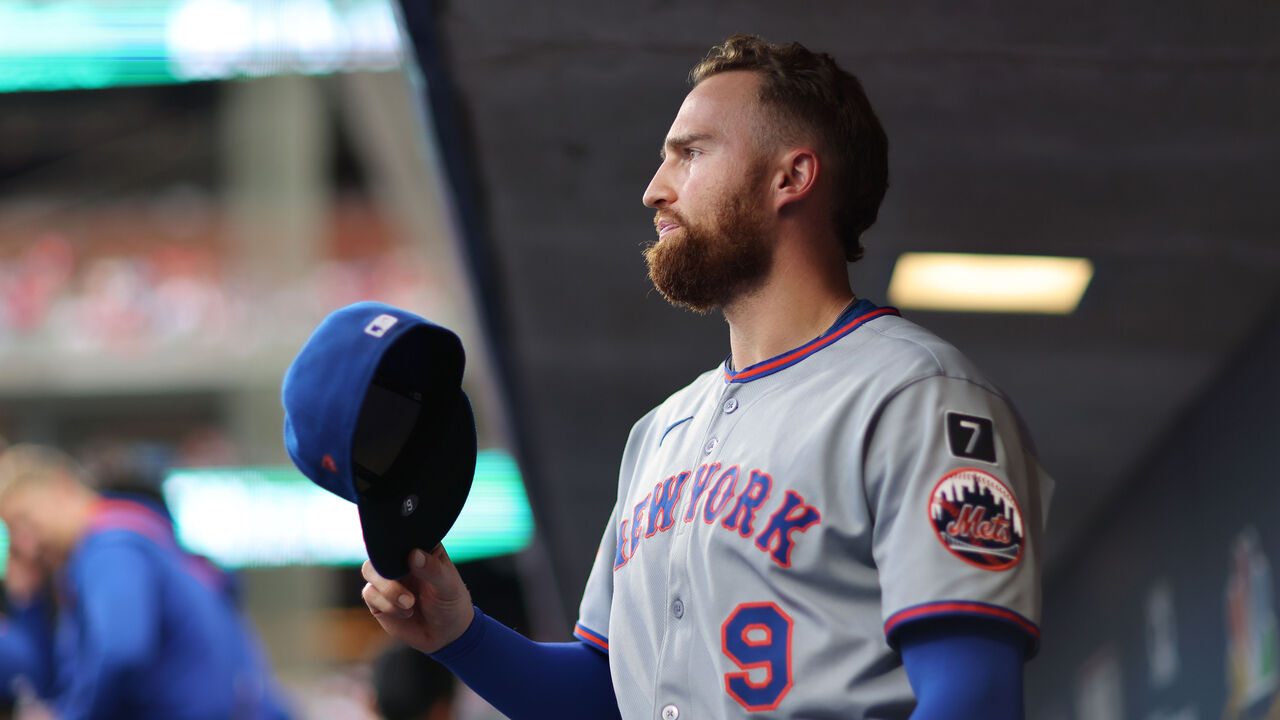
What it means for Texas: Rangers president of baseball operations Chris Young is reimagining an offense that finished 22nd in runs scored and 26th in OPS. Texas cut ties with three underachieving regular bats over a 72-hour span in Adolis García, Jonah Heim, and now Semien; each of those players had a sub-.700 OPS in 2025. Semien remains an elite defender, but the 34-year-old's had a pair of underwhelming offensive seasons. While the Rangers took on more money (roughly $20 million) and term (two additional years) by bringing in Nimmo, they get a younger and better offensive player who helps fill a need in the corner outfield. Nimmo isn't an elite hitter, but he is coming off three straight seasons with at least 20 homers while averaging a .773 OPS. Young obviously wanted to deal Semien while he still had value. The Rangers have a number of options they can mix and match at the position.
What it means for the Mets: New York is shaking up a core that missed the 2025 postseason. Moving the club's longest-tenured player is a major shot at the clubhouse by president of baseball operations David Stearns. The Mets need to get better defensively, and Semien at second base will go a long way in that department - especially when he's playing up the middle with Francisco Lindor. Stearns will also hope a change of scenery can bring out a little more from Semien's bat. Nimmo's departure leaves a hole in the outfield and creates more roster flexibility, which the Mets can address either via trade or in free agency. Signing Cody Bellinger or Kyle Tucker would fill that void, or maybe they'll trade for an outfielder like Jarren Duran. The Semien deal will look a lot better if it's complemented by another big move - otherwise, it's a gamble on a player showing signs of decline.
Nov. 19
Braves sign Raisel Iglesias
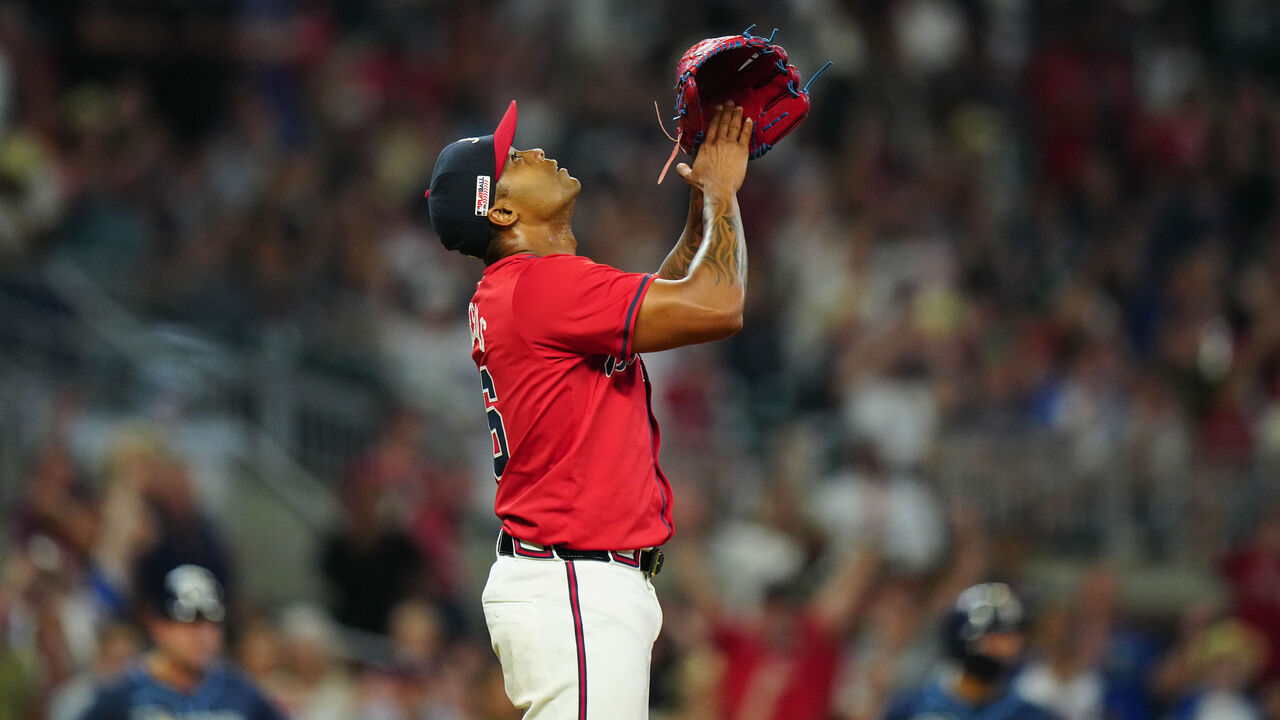
✍️ 1-year, $16M contract
What it means for the Braves: Credit to Alex Anthopoulos for retaining one of the few closers on the free-agent market at a fraction of what Edwin Díaz and Robert Suarez will cost. Iglesias is currently projected to be the third-highest paid reliever in MLB next season, though not having to commit to multiple years is a win for the Braves. He's coming off another excellent campaign in which he posted a 0.99 WHIP over a career-high 70 appearances. The 35-year-old particularly excelled in the second half, posting a 0.34 ERA over his final 27 outings. Bringing back Iglesias checks off a significant need for Anthopoulos this winter as he tries to retool a club that missed the postseason.
Nov. 18
Angels trade Ward to Orioles for Rodriguez
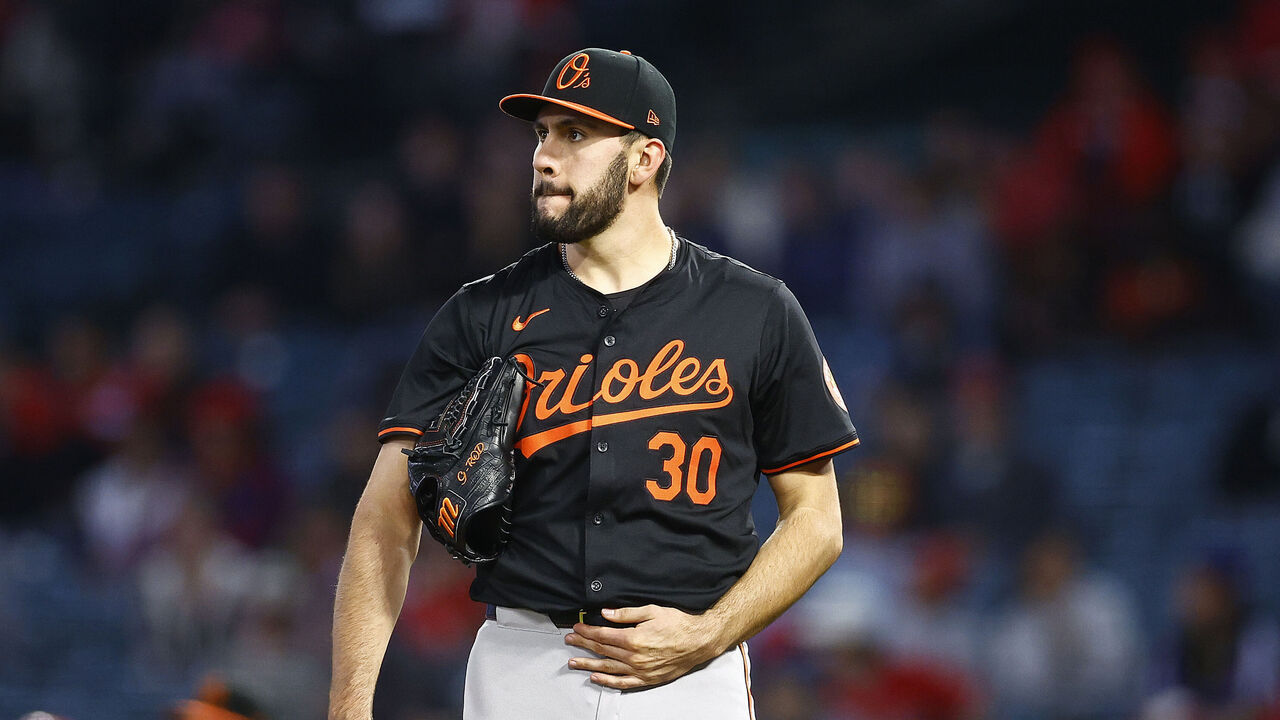
What it means for the Orioles: It was a surprise to see the Orioles move on from Rodriguez - especially for a rental - but Mike Elias has shown a willingness to deal players with control for a key player on an expiring deal in recent years (i.e. Corbin Burnes). You can understand the organization looking for more certainty, and the Orioles didn't think it they had it in Rodriguez, who's dealt with a number of injuries in recent years. Elias believed it was the right time to sell relatively high on Rodriguez's potential, and he was able to acquire an impact bat without paying big in free agency. Ward will be a welcome addition to a Baltimore team that surprisingly struggled to hit and score runs in 2025 - its outfielders ranked 26th in fWAR. His 36 homers were more than double the Orioles' season leader (Gunnar Henderson), and Ward also would have led the club in OPS. If Ward plays well enough, Baltimore could issue him a qualifying offer at the end of the season.
What it means for the Angels: Los Angeles was expected to move either Ward or Jo Adell this winter and understandably traded the former, who's on an expiring deal and set to earn more than double Adell's salary in arbitration. Acquiring Rodriguez is a gamble given his struggles to stay healthy, but it's a necessary one for a team like the Angels that's failed for years to develop pitching. Rodriguez is entering his age-26 season and has four additional years of club control. He should benefit from working under L.A.'s new pitching coach, Mike Maddux. Regardless of whether it works out, this is a deal the Angels have to make every time. Clearing out nearly $14 million in Ward's salary creates some flexibility for Perry Minasian, too.
Nov. 17
Mariners re-sign Josh Naylor
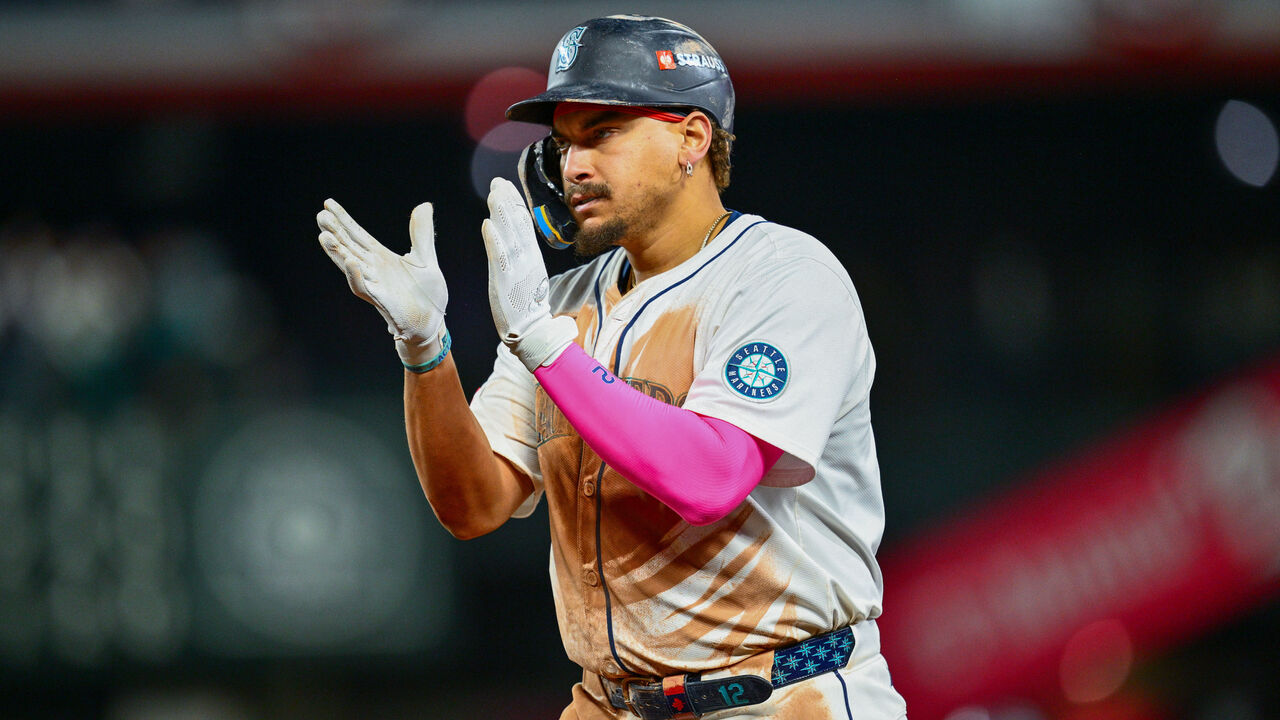
✍️ 5-year, $92.5M contract
What it means for the Mariners: Some fits are just too perfect. Naylor was a great deadline addition for Seattle, and it only made sense to extend the partnership. Naylor could have waited out the market and potentially gotten more money, but instead, he took a deal that gives him long-term security at a fair price in a place where he feels comfortable. There's plenty of value in that for a player, and the waiting game in free agency isn't for everyone. Some teams might hesitate to hand a first baseman a five-year contract, but Naylor is only entering his age-29 season and shouldn't age too poorly. He hardly strikes out, he draws walks, and he has some sneaky athleticism. Naylor also posted a wRC+ of at least 118 in each of the last four seasons, so even with some regression, he projects to be at least an average first baseman later in his deal. Most importantly, the Mariners are set up for success in their current window. While more additions are necessary, retaining Naylor goes a long way toward making Seattle the favorite to win the AL West again next season.