If you think March Madness begins with the first round of the NCAA Tournament, or the First Four, or even Selection Sunday, then I refer you to a common phrase the kids are using these days: Tell me you don't know college hoops without telling me you don't know college hoops.
Those in the know about college basketball are aware the madness of March gets real once tournament bids are truly up for grabs. One-bid leagues, which include at least 20 of the 33 conferences across the country, will send just one program to the NCAA Tournament, meaning teams must win their conference tournament to get into the Big Dance.
The conference tournament period may truly be the wildest stretch of the college basketball season. Here's what you need to know before you bet:
Know the motivation
Not to start with nefarious theories, but college basketball is a business, and one key to business for small conferences is how success in the NCAA Tournament translates into profitability. It benefits a mid-major conference to have its best team make the Big Dance every year to give it the best shot at an upset we'll replay for years to come.
As a result, the first-place team in a league like the Ohio Valley Conference - Murray State - is set up to succeed via the tournament format. Here's how that's done:
Know the format
What on Earth is this bracket?!
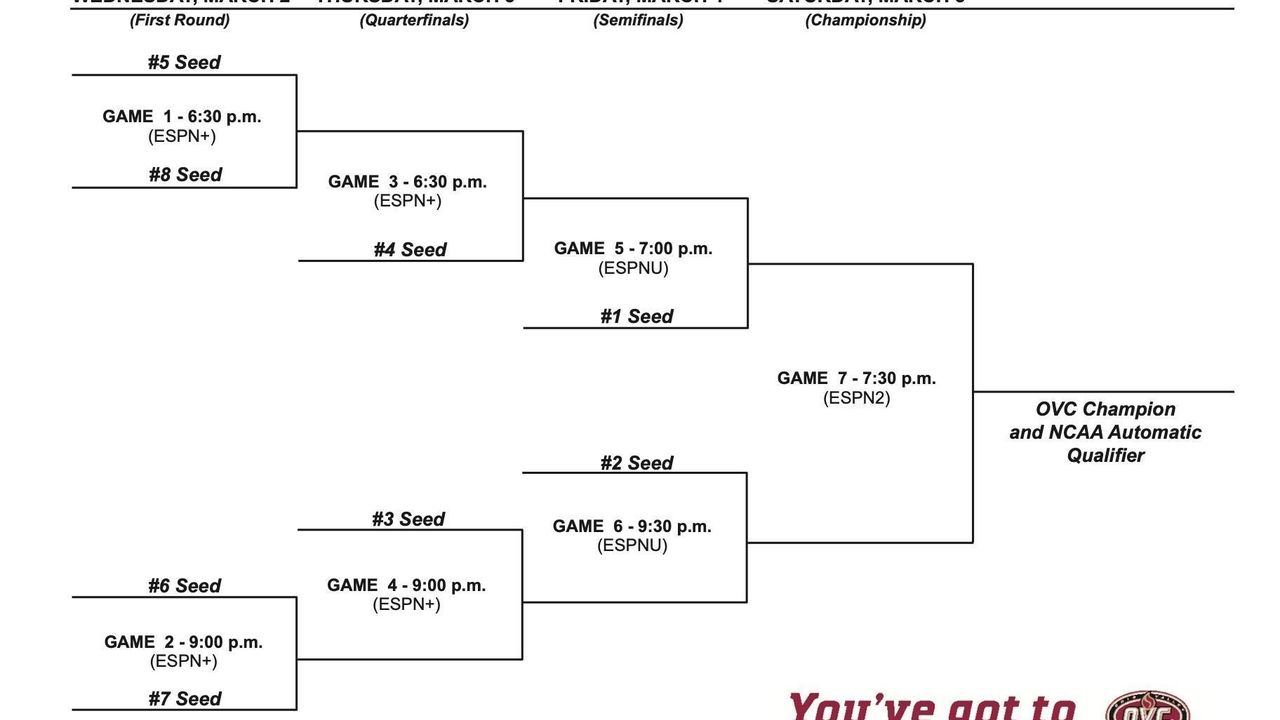
You'll note that the Ohio Valley Conference sets up its top two seeds with byes all the way to the semifinals, ostensibly to make the regular season more important. While true to an extent, it's more about setting up an easier path for the teams that excel throughout the season. An extra game for the top programs would run the risk of an upset that results in everyone missing out on Belmont wreaking havoc in the big tournament or a sneak peek at an electric Ja Morant.
This is an exaggerated version of setting up your best teams to win. However, a more stealthy way to do it is by reseeding. This means the top seed in the tournament always faces the lowest-ranked team in each round.
For bettors looking for an underdog to punch a surprise ticket to March Madness, you're better off seeking a more traditional bracket like this:
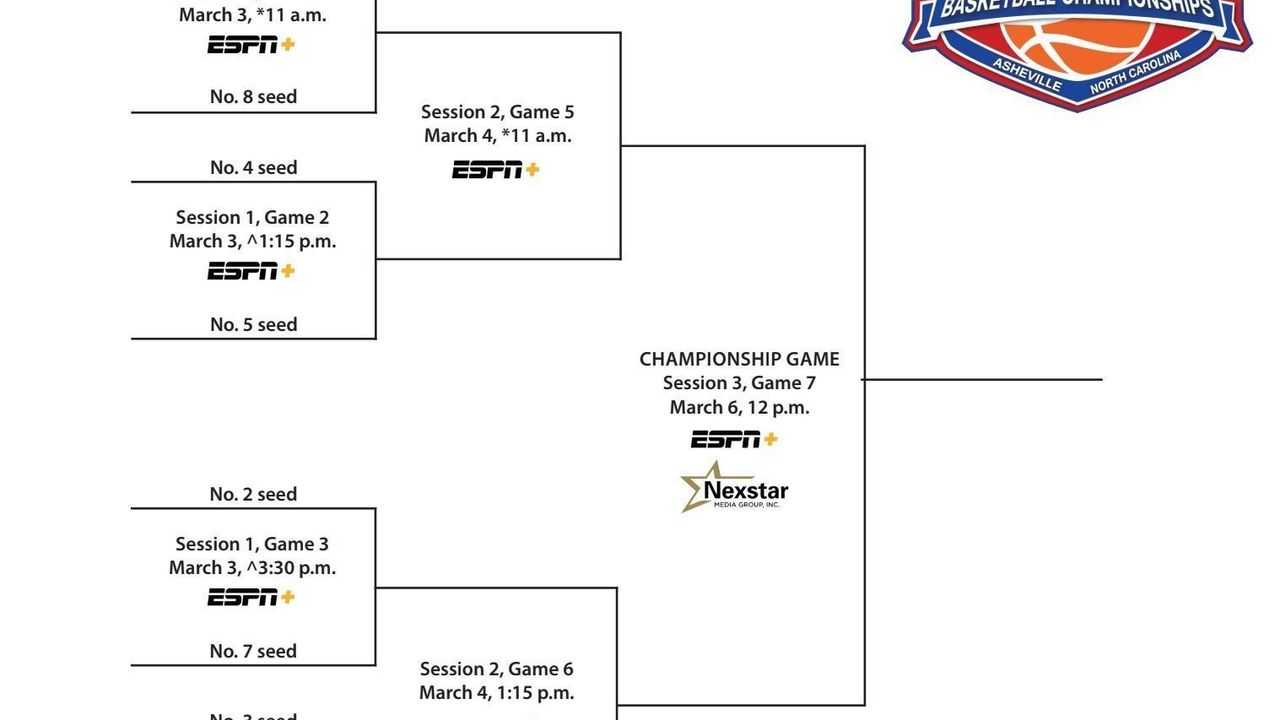
At least you know every team is on a level playing field before the tournament begins.
Know the location(s)
There are few things more important in college basketball than home-court advantage. Most postseason tournaments are played on neutral sites, but you might find the smaller leagues prefer to have their regular-season champion host the event. Even with a balanced bracket, this gives the best team an advantage. Some leagues go as far as to play every game at the better seed's home gym. Since the small venues are easier to sell out, the home team can have quite the edge when a ticket to Cinderella's Ball is up for grabs.
However, you need to know whose fan base really believes in the fairy tale. For some on-campus quarterfinals, you may find yourself backing a home team that has no one in the house.
Know if there's a second bid available
Some leagues are inherently one-bid, and you can expect it to go to that league's outstanding team. You'll want to know if that top team is still going to get in even if they lose in the tournament. Teams like Murray State, North Texas, and Loyola Chicago, all ranked in KenPom's top 40, would still get in with a loss in their respective tournaments. If they lose, their league becomes a two-bid league.
However, powerhouses within their conference - like South Dakota State, Toledo, and Colgate - that trip up next week are out of contention for a Big Dance bid. That provides extra desperation, which needs to be accounted for.
Matt Russell is a betting writer for theScore. If there’s a bad beat to be had, Matt will find it. Find him on Twitter @mrussauthentic.