theScore's NFL draft prospect rankings series gives you everything you need to know about the top players available in this year's incoming rookie class.
👉 Jump to: QB | RB | WR | TE | OL | DL | EDGE | LB | CB | S | Top 50
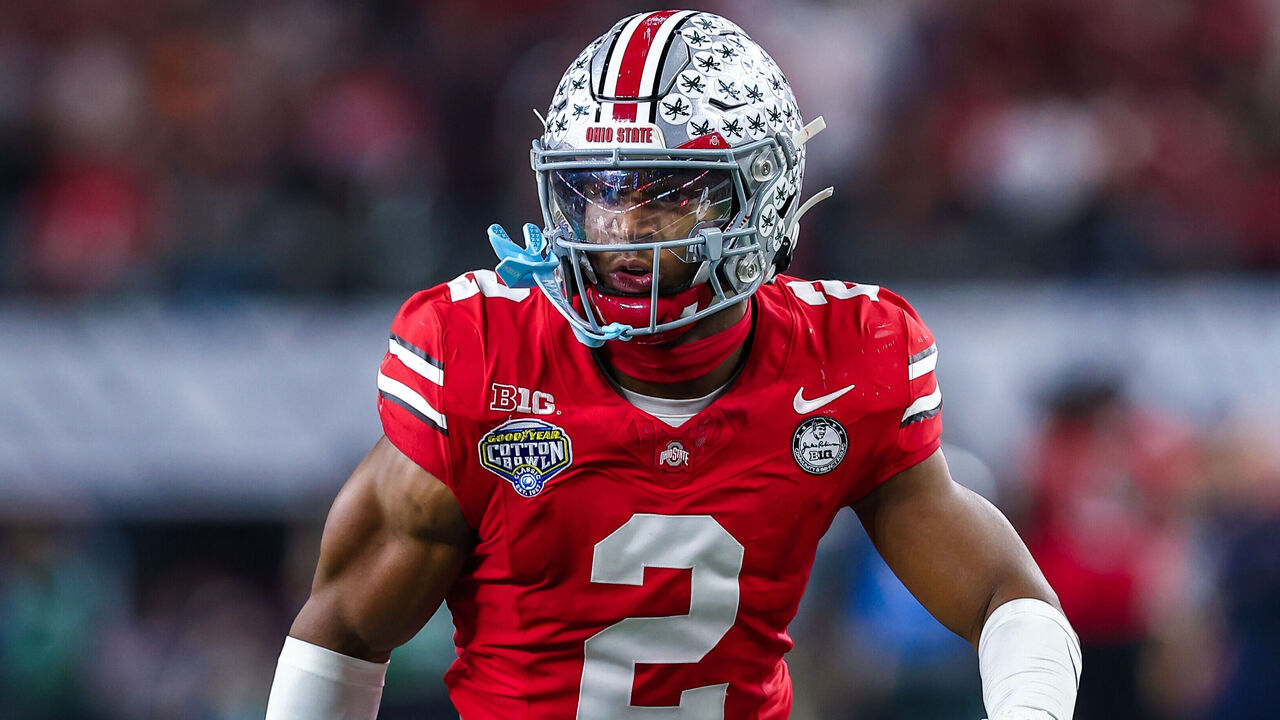
Downs' draft stock is something of a polarizing topic because of the position he plays: A safety hasn't been selected in the top 10 since Jamal Adams in 2017. Eric Berry, drafted in 2010, was the last safety picked in the top five. But as we've seen with Kyle Hamilton over the last few years, conversations about positional value start to sound a little silly when you're talking about a player who can do so many different things for a defense. Downs is quite a bit smaller than the Ravens superstar, but he has the potential to make a similar impact.
Above all else, the Ohio State product is the smartest player on the field. Whether he's lined up as a deep safety, rotated down in the box, or out over the slot, he puts himself in position to make plays - typically a step or two before anyone else could. He shows excellent coverage instincts from either one of those spots, particularly when he can break on routes developing in front of him, and he has the man-coverage skills to lock down tight ends. He should also be a plus run defender from any alignment, taking on blocks around the line and finishing tackles in space with excellent technique. Downs is the both the safest pick in this class and the one most likely to offer All-Pro upside. In a year with so many question marks at the top, why not simply draft the best player?
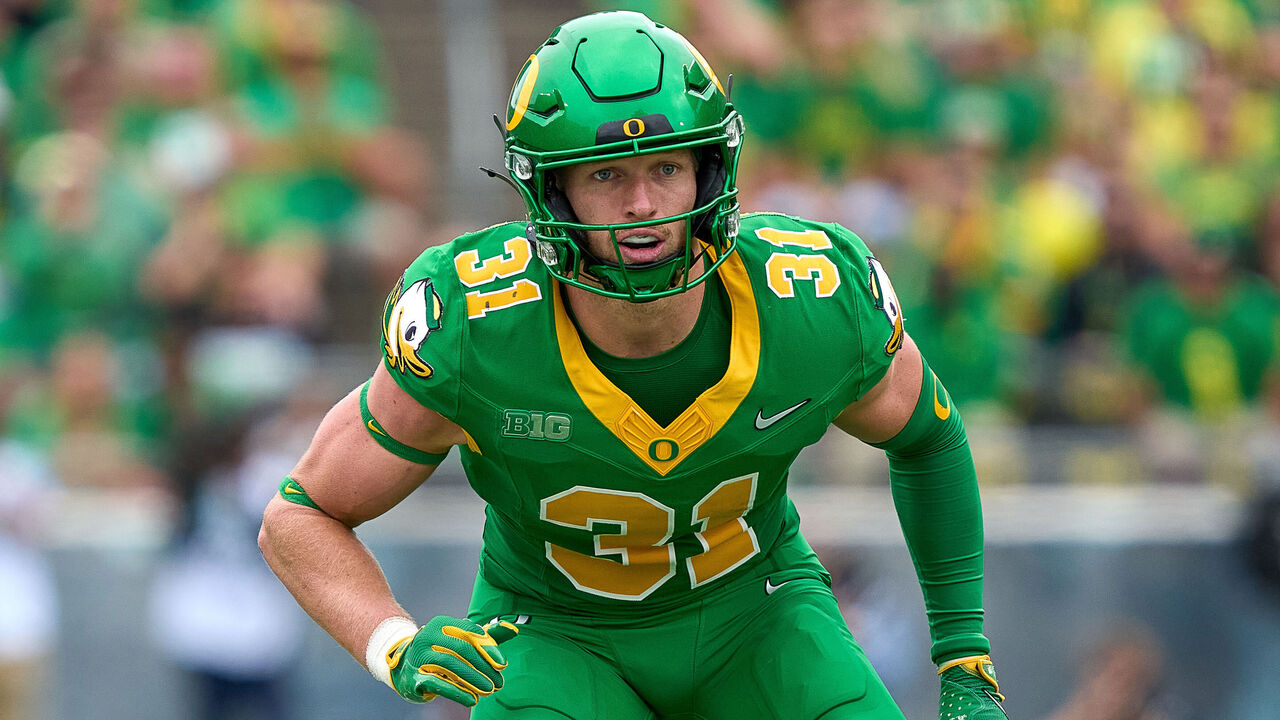
Downs isn't the only high-end safety prospect in this class. Thieneman shouldn't be too far behind on draft boards, particularly for teams looking to bolster their coverage up top. The Oregon standout is an elite athlete who can provide true sideline-to-sideline range as a deep safety. While he spent more time in the box after transferring from Purdue, adding some versatility to his tool kit, his two years with the Boilermakers might best encapsulate the value he can provide at the next level.
Thieneman's athletic traits also give him potential as a slot defender in the nickel, but it's tough to find players with great zone instincts who can cover so much ground at the deeper levels of the field. It's especially rare for that kind of player to also be able to fly downhill and make his presence felt in the run game. Thieneman is an easy first-round talent who offers Pro Bowl-caliber playmaking traits at safety.
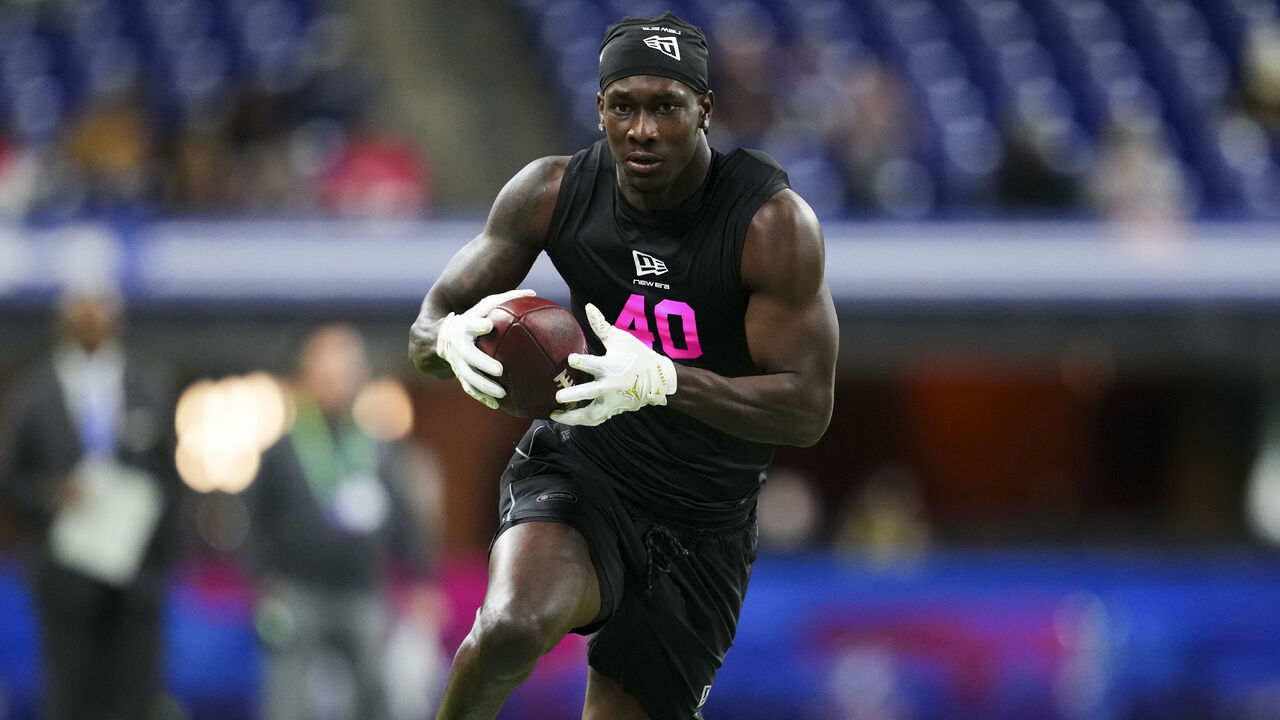
McNeil-Warren's tone-setting physicality over the middle of the field is bound to attract comparisons to Kam Chancellor. That's lofty praise for anyone, let alone a player coming out of the MAC, but it makes sense stylistically. The Toledo standout is most effective against the run. He has great size for the safety position, he processes the ground game at a high level, and he expertly navigates his way through traffic en route to the ball-carrier.
He'll deliver punishing hits when he gets there, and he's got a knack for knocking the ball out in the process (10 forced fumbles over three years as a starter). McNeil-Warren isn't a one-trick pony, though. While his average speed and fluidity limit his upside in man coverage, he's shown flashes of brilliance in zone. He displays good instincts to make breaks on routes developing in front of him, and he has the ball skills to finish plays at the catch point. McNeil-Warren should be an impact player from split-safety alignments or rotated down into the box.
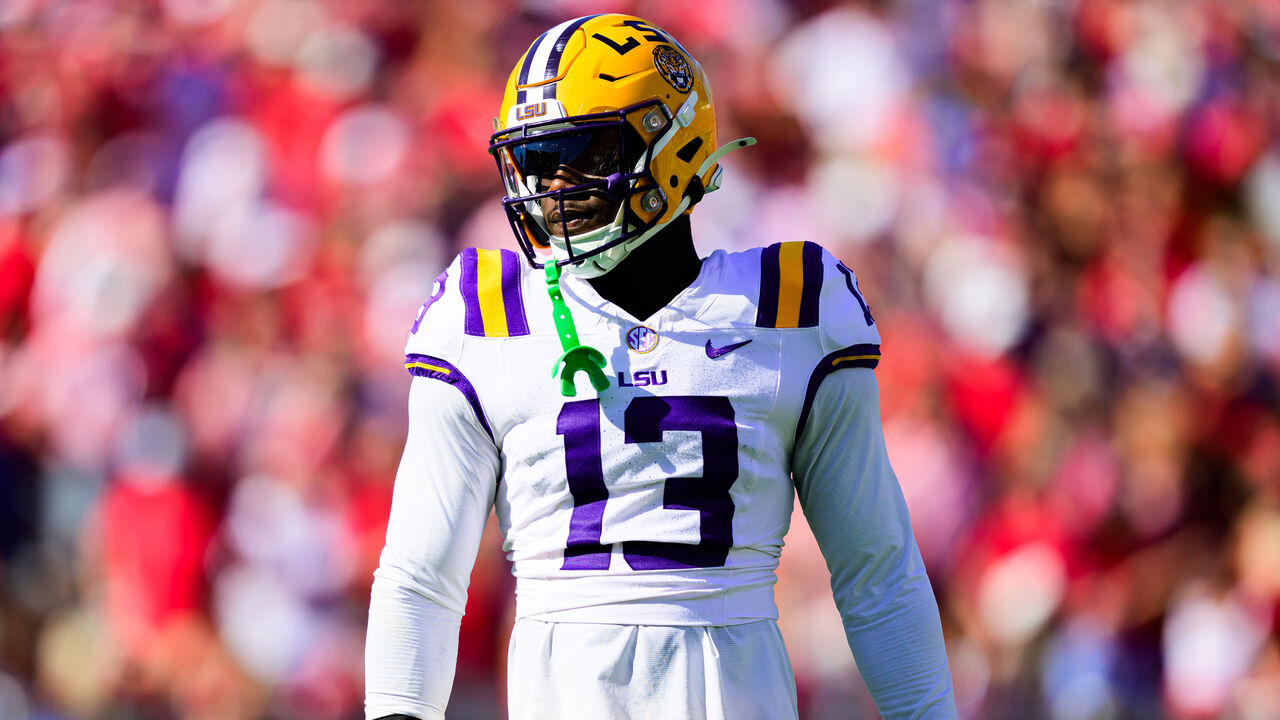
Haulcy is a bit of an old-school safety: He has a highlight reel filled with big hits coming downhill in run support and laying out receivers over the middle. His 363 tackles easily lead all FBS defensive backs across the last four seasons, according to PFF. In fact, only one defensive player overall has more over that span. If you're looking for a physical presence on the back end, this is probably your guy. But don't sleep on the rest of his game.
While Haulcy doesn't necessarily have the burst or fluidity to turn and run with slot players in man coverage, he demonstrates impressive instincts as a zone defender. His ability to process route concepts and key on the quarterback's eyes allows him to make early breaks on throws, and he's got the ball skills to turn those opportunities into takeaways - he recorded five interceptions in his final season at Houston, then added three more after transferring to LSU in 2025. Any team that can put Haulcy in a two-high system, keeping the action in front of him and not asking too much in terms of range, will get a safety who's capable of impacting every phase of the defensive game.
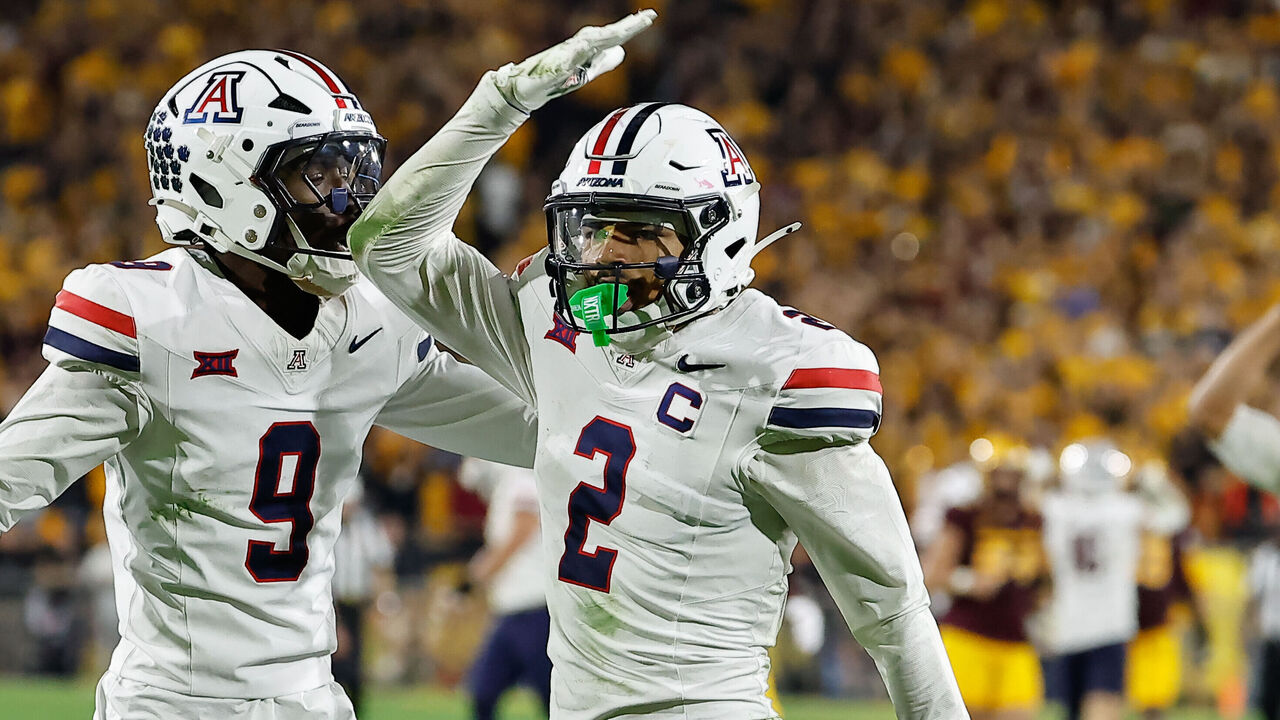
Stukes probably could have been ranked as part of this year's cornerback class - he may well be headed for nickel duties in the NFL. But some teams will also be looking to deploy his unique skill set at safety. Either way, this is the kind of potential difference-maker you want in the secondary. Stukes is an explosive athlete who lit up the combine with 4.33 speed and similarly elite jump scores. Those physical gifts are easy to find on his college tape.
Whether it's carrying vertical routes, eliminating crossers, or chasing down ball-carriers from behind, Stukes was regularly the fastest player on the field. He demonstrates excellent instincts to process route combinations and make quick breaks in zone coverage, and he's a true playmaker when the ball is in the air. He's also a physical and reliable tackler in the run game. Stukes' age will factor into his draft value, as he turns 25 in September. There are potential drawbacks to deploying him at both positions: He doesn't play with the fluidity to match receivers at the top of the route in man coverage, and he's a little undersized for full-time duties at safety. But smart defensive coordinators should have no problem carving out a role for a playmaker like this.
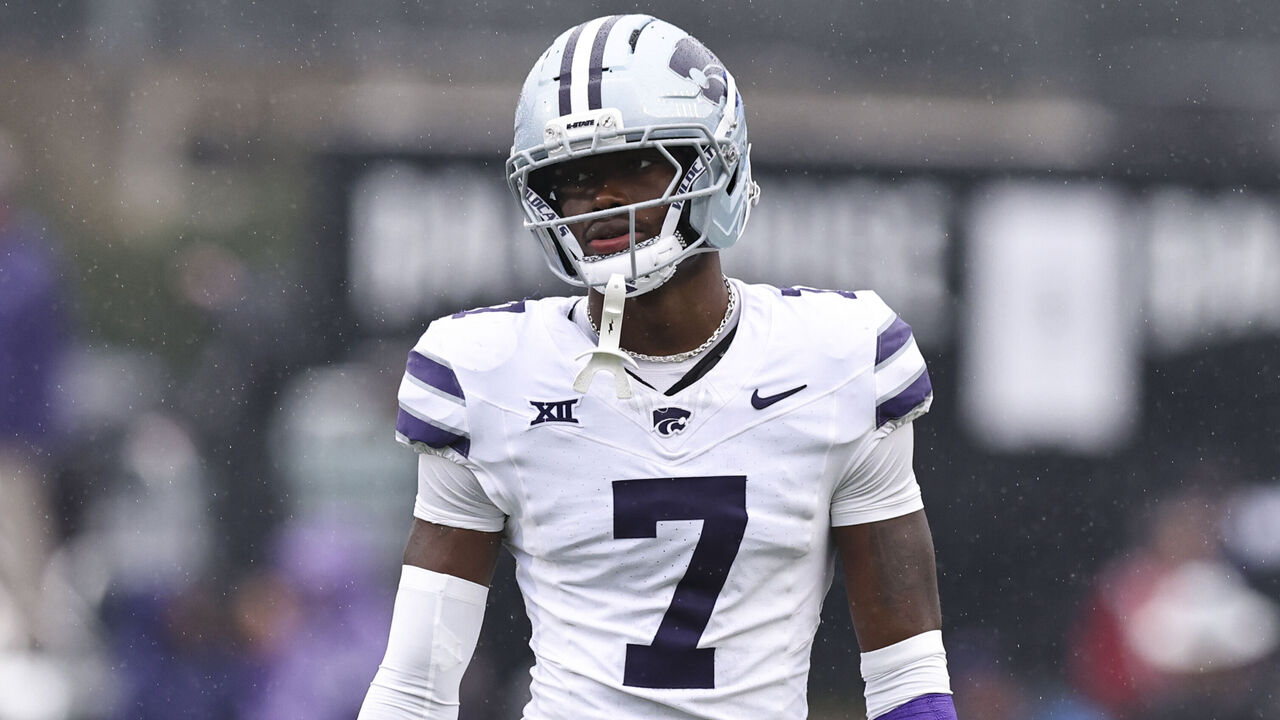
Payne is an impressive athlete with outstanding length for a defensive back. He played all over the field for Kansas State, getting time aligned deep, as a box safety, and in the slot. That kind of versatility is only possible because of his athleticism and natural cover skills. In fact, Payne is smooth enough in man assignments that NFL teams might explore deploying his unique size-speed combo as a boundary corner. Considering the physicality he provides in the run game, though, he seems best suited to be a big nickel in the slot.
He's got room for development in terms of zone instincts and tackling efficiency, and he'll have to improve at taking on blocks. Payne isn't quite the same level of freak athlete as Nick Emmanwori. But as last year's rookie sensation showed us, a big-bodied safety who can provide both physicality and cover skills out of the slot - particularly in man-to-man looks against tight ends - can be a perfect counter to offenses trying to create favorable passing-game matchups out of heavy personnel packages.
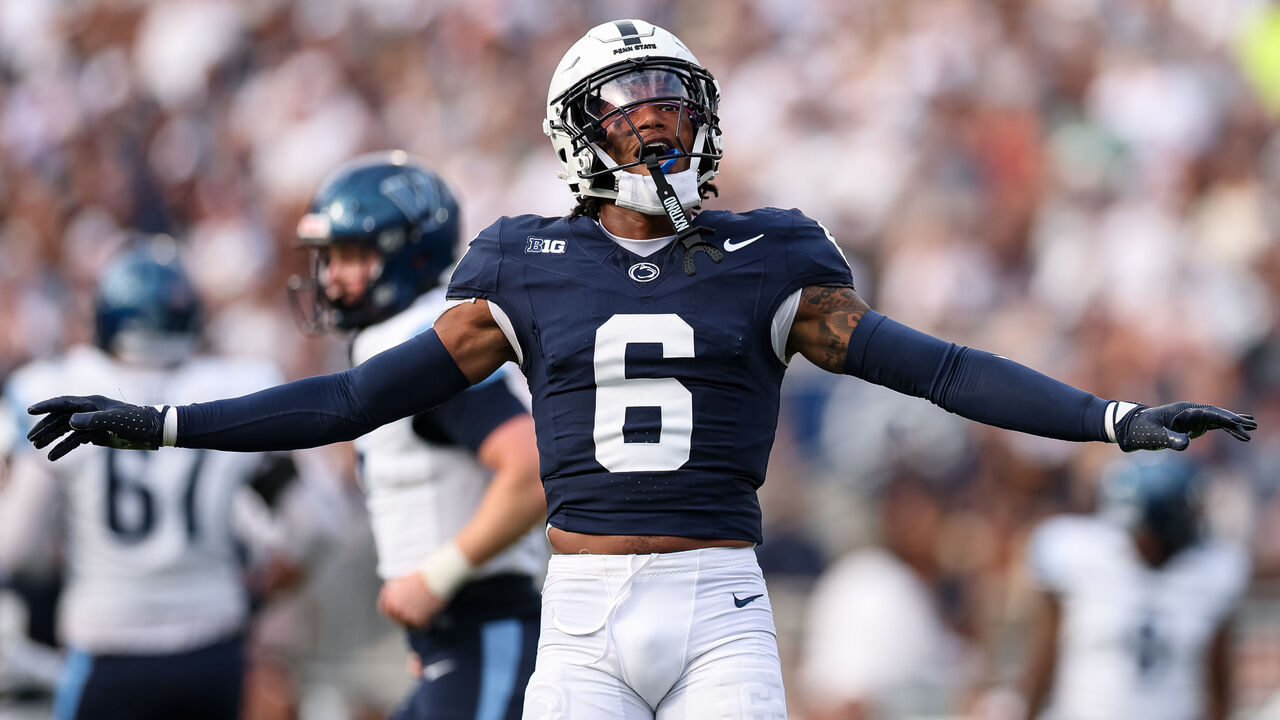
Wheatley was all over the field in his two years as a starter for the Penn State defense. He burst onto the scene with an incredibly productive 2024 campaign, racking up 100 tackles and three interceptions. It's no coincidence that teams were less eager to force the ball into his coverage in 2025, and he finished the year having allowed just seven catches for 36 yards - the fewest among all FBS defensive backs with at least 200 coverage snaps, according to PFF. Wheatley's instincts always put him in the right place, which explains why he saw just 10 targets on the season.
He's also a force as a run defender, aggressively triggering downhill, taking excellent angles to the ball, and bringing physicality as a tackler. He's not the most dynamic athlete, which could cap his upside. His relative limitations in terms of long speed and fluidity may give him issues with certain coverage assignments. But his football IQ can make up for quite a bit. Wheatley didn't take a single penalty during his college career and should be a reliable contributor at the next level.
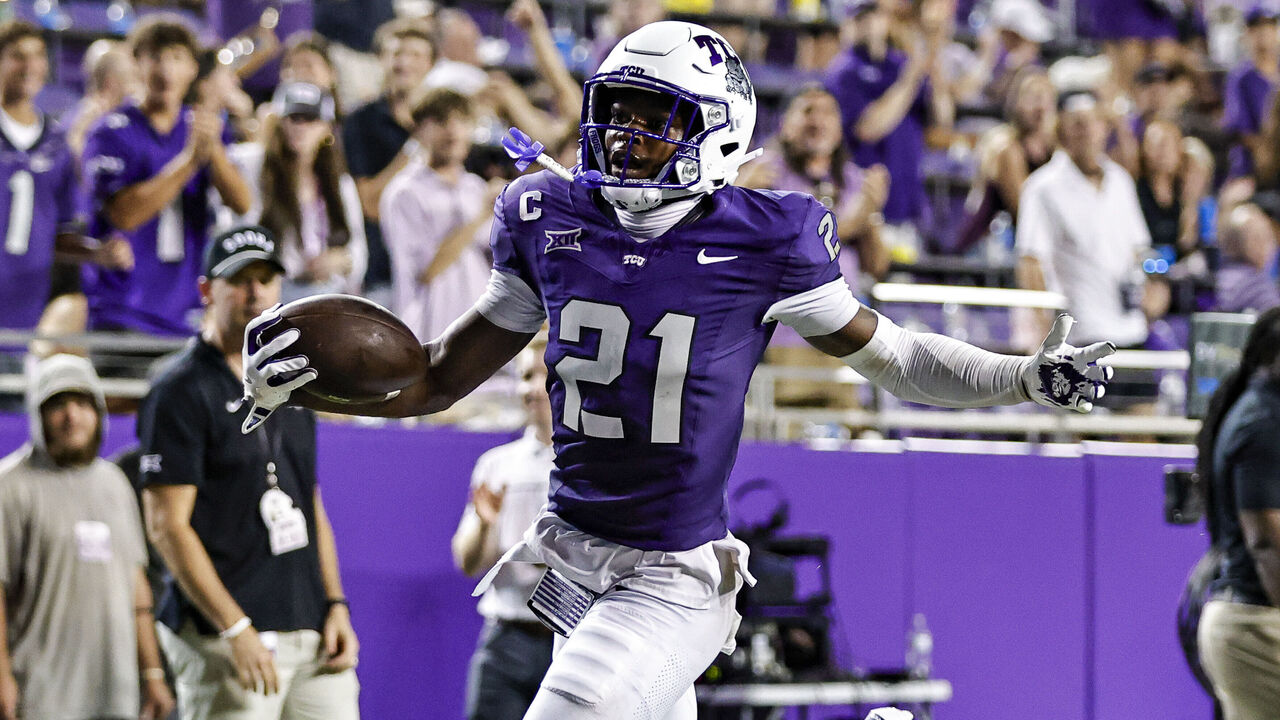
Clark is a true ballhawk. With an explosive athletic profile, good instincts in both man and zone, and the ball skills to create game-changing plays at the catch point, his incredible production for TCU has every chance of translating to the next level. His 15 interceptions are the most among all FBS players over the last four years.
Clark also flashed the ability to make an impact by flying downhill in the run game, although that might not remain effective at his size. And his seven penalties in 2025 put him in a tie for most among all safeties, according to PFF. Age will impact his draft stock; Clark is probably more of a finished product than other prospects after six years at the college level. From another perspective, however, that means teams can be confident in the player he is right now. His proven playmaking ability in the pass game will provide an important upgrade to the back end of a pro defense.
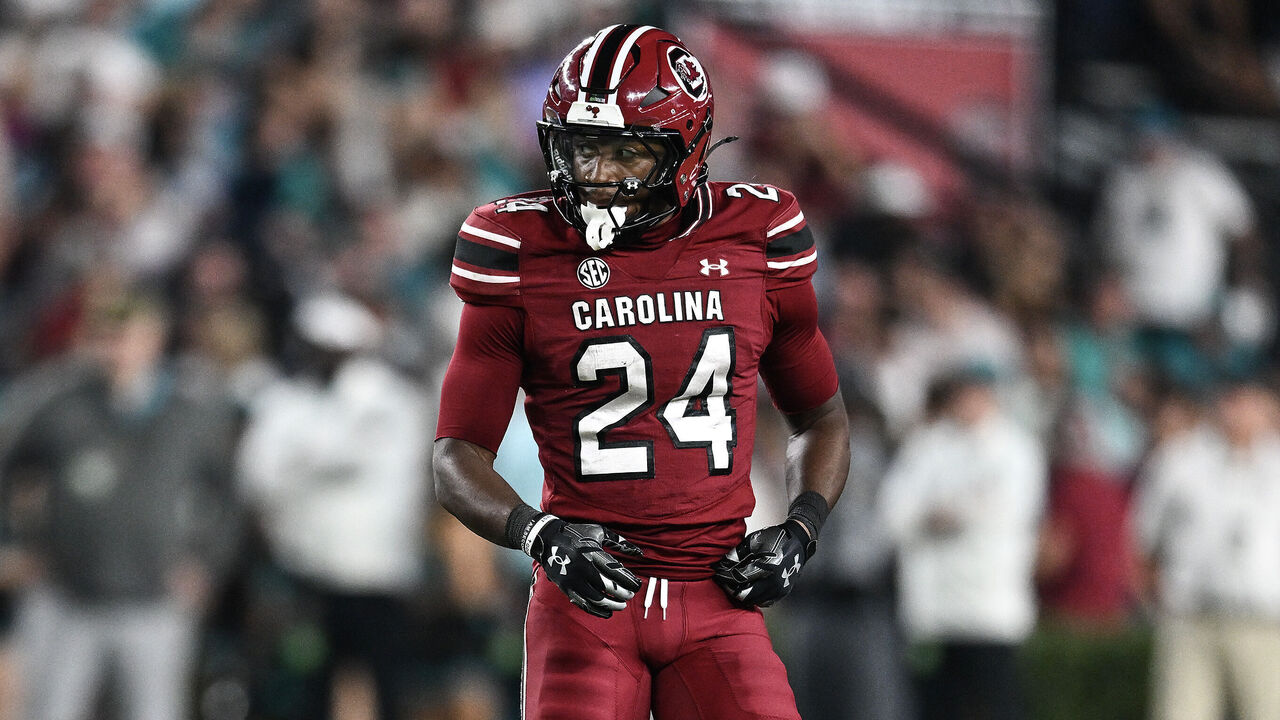
Kilgore was primarily a slot defender over his last two years at South Carolina, and teams may expect him to stick as a big nickel at the next level. His instincts give him some playmaking upside from that spot, and that showed up in a big way with seven interceptions and 14 pass breakups since 2024. He also has the speed to carry vertical routes downfield, but some issues matching quickness at the top of the route could spell trouble against NFL slot receivers.
With that in mind, I'd like to see Kilgore in a more traditional safety role. While that requires some projection, his combination of range, football IQ, and ball skills could be particularly valuable as a two-high defender. Kilgore also brings an element of physicality, so he'll likely be an active run defender no matter what position he ends up playing. Overall, his versatility is a huge plus for his game and a big reason why he should be drafted in the middle rounds.
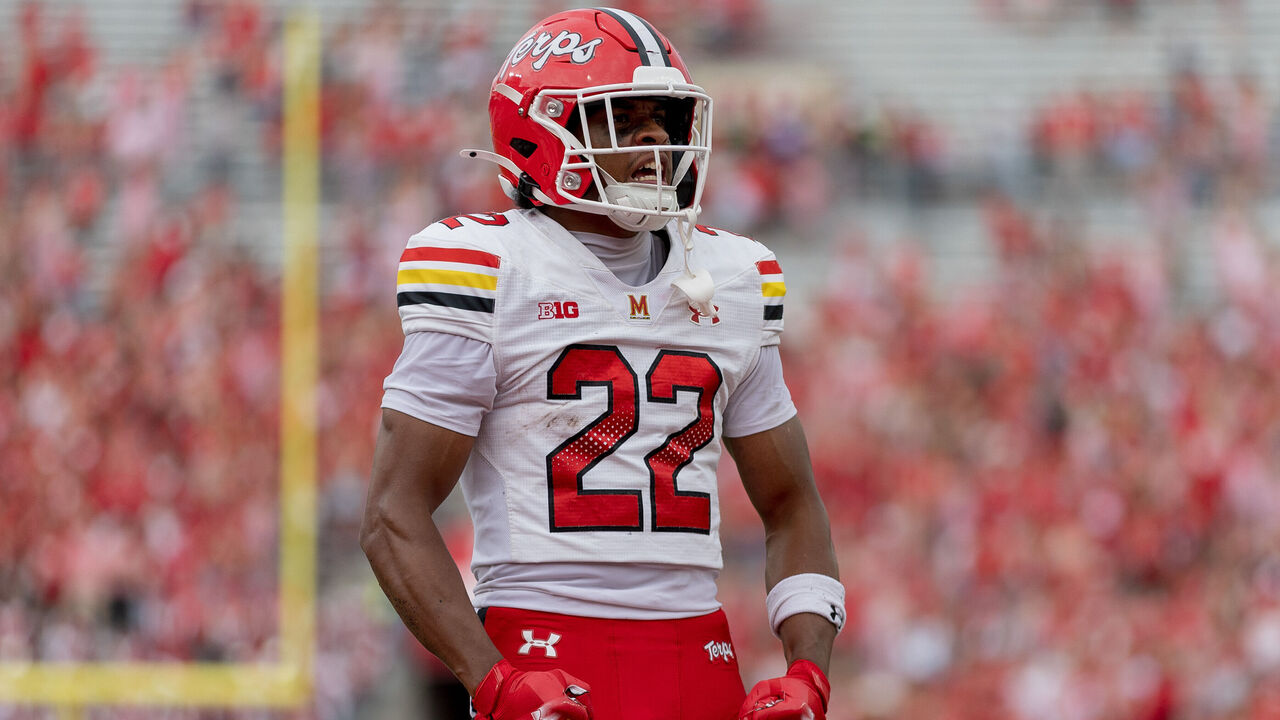
Huskey is one of my favorite sleepers in this class. He seems to be flying under the radar in a deep group of safeties because of his average athletic profile - and he probably doesn't have the speed or explosiveness to give him optimal range on the back end. But his instincts go a long way toward compensating for those limitations. The Maryland product, who began his college career as a cornerback, demonstrates excellent route recognition and processing skills to make breaks on the ball from depth. And he's got the ball skills to take it away when he puts himself in those positions - he racked up four interceptions in 2025 to total 11 over the last three seasons.
Huskey pairs those playmaker traits with much more physicality than you might expect for a sub-200-pound former corner. He's an impact player in run support, and he'll deliver some big hits on receivers coming over the middle of the field in the passing game. Huskey should be seen as an ascending player who may only improve with more reps at his new position. He offers long-term starter upside in a two-high system.
Dan Wilkins is theScore's senior NFL writer.