
The NHL standings fluctuate every year as teams exceed and fall short of expectations. Combined with a system that rewards points for losses and a flurry of summer action, the unpredictability makes it tough to forecast how certain teams will fare this season.
With that in mind, we picked three squads projected to move up the standings and three likely to go down this upcoming campaign.
Trending up 📈
Washington Capitals
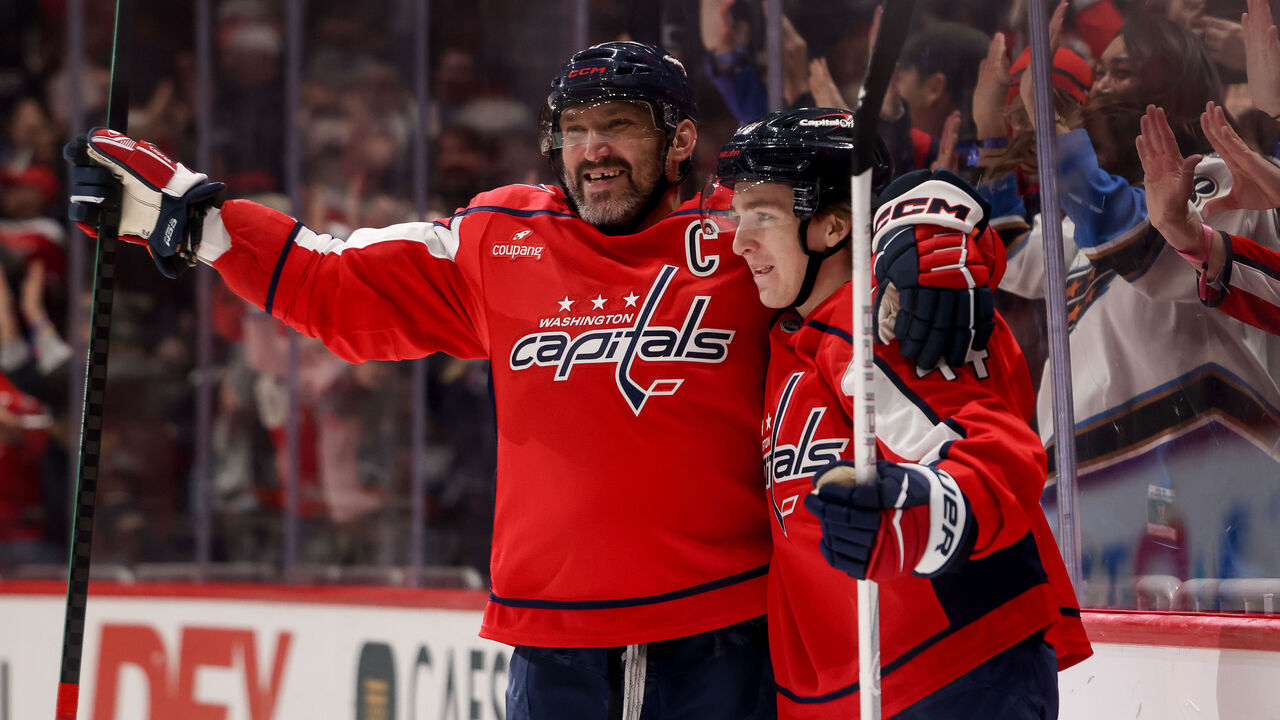
The Capitals fell short of the playoffs last season after leading the Eastern Conference in 2025, but they look like a strong bounce-back contender after an aggressive summer that signaled their intentions to remain competitive as long as Alex Ovechkin is still around. The additions of Alex Tuch, Jordan Kyrou, and Boone Jenner bolster an already strong forward corps, giving Washington plenty of quality depth that can contribute meaningfully. Young players like Ryan Leonard, Justin Sourdif, and Aliaksei Protas could all reasonably be 20-goal scorers this season, providing valuable support for the bigger names up front in D.C.
The Capitals also notably boast a dependable defensive group, with a potential emerging star in Cole Hutson. Brother of Montreal Canadiens phenom Lane, Washington's Hutson is projected to add a dynamic element to the Capitals' back end and could push for a power-play role if he adjusts to the pro game quickly enough as a rookie. Combine that with an elite starting goalie in Logan Thompson and a wide-open Metropolitan Division, and it shouldn't be a surprise if the Capitals contend again.
Utah Mammoth
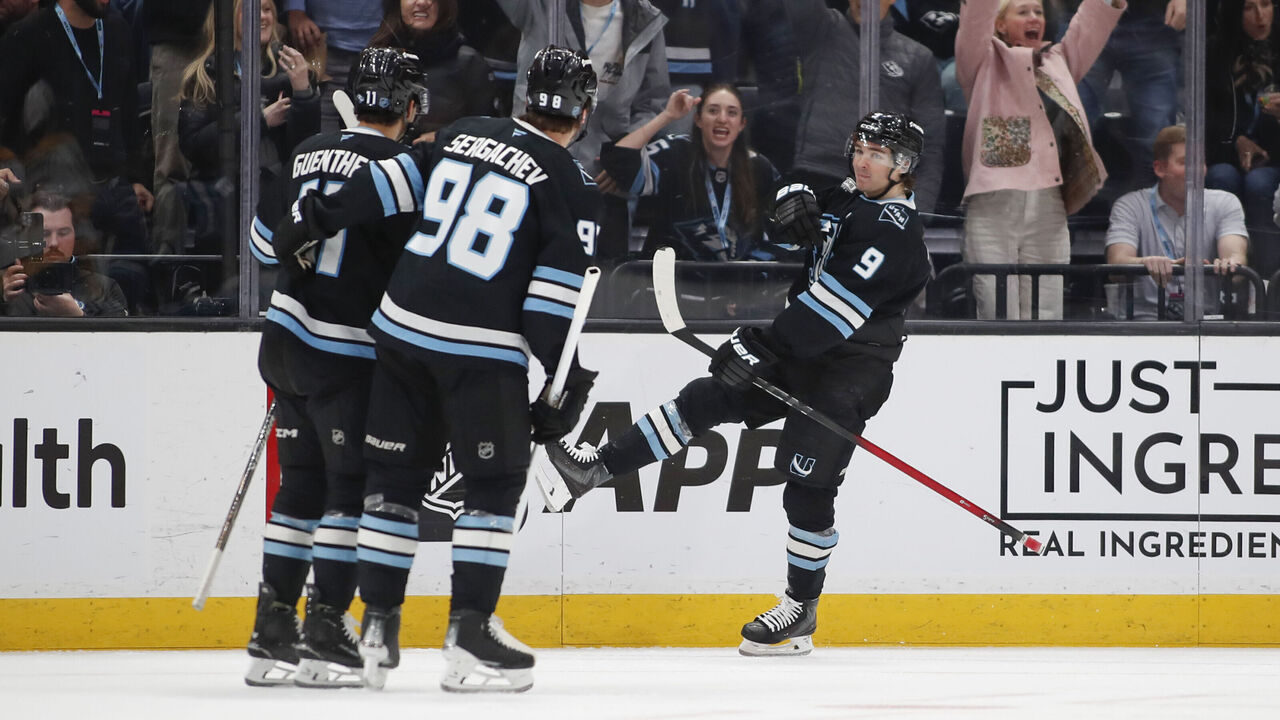
The Mammoth qualified for the playoffs for the first time last spring despite competing in the top-heavy Central Division. Although Utah was a wild-card team, it finished with more regulation wins than any Pacific playoff squad and posted the fourth-best goal differential in the Western Conference. With a proven core already in place, the Mammoth added dependable veterans Anders Lee and Vincent Trocheck to the forward group, supplementing a strong blue line featuring John Marino, Mikhail Sergachev, and Mackenzie Weegar.
Perhaps most importantly for Utah is the addition of goaltender Sebastian Cossa. The 23-year-old should provide much-needed relief for starter Karel Vejmelka, who recorded a league-high 64 starts last season but looked out of gas by year's end. However, Utah had no choice but to start Vejmelka, as backup Vitek Vanecek won only five of his 19 starts. Although Cossa has just one NHL game on his resume, he posted a .915 save percentage in the AHL in 2025-26 and has the pedigree of the 15th overall pick in 2021. If this is the year he breaks out, the Mammoth have an enviable goalie to complement strengths at other positions.
San Jose Sharks
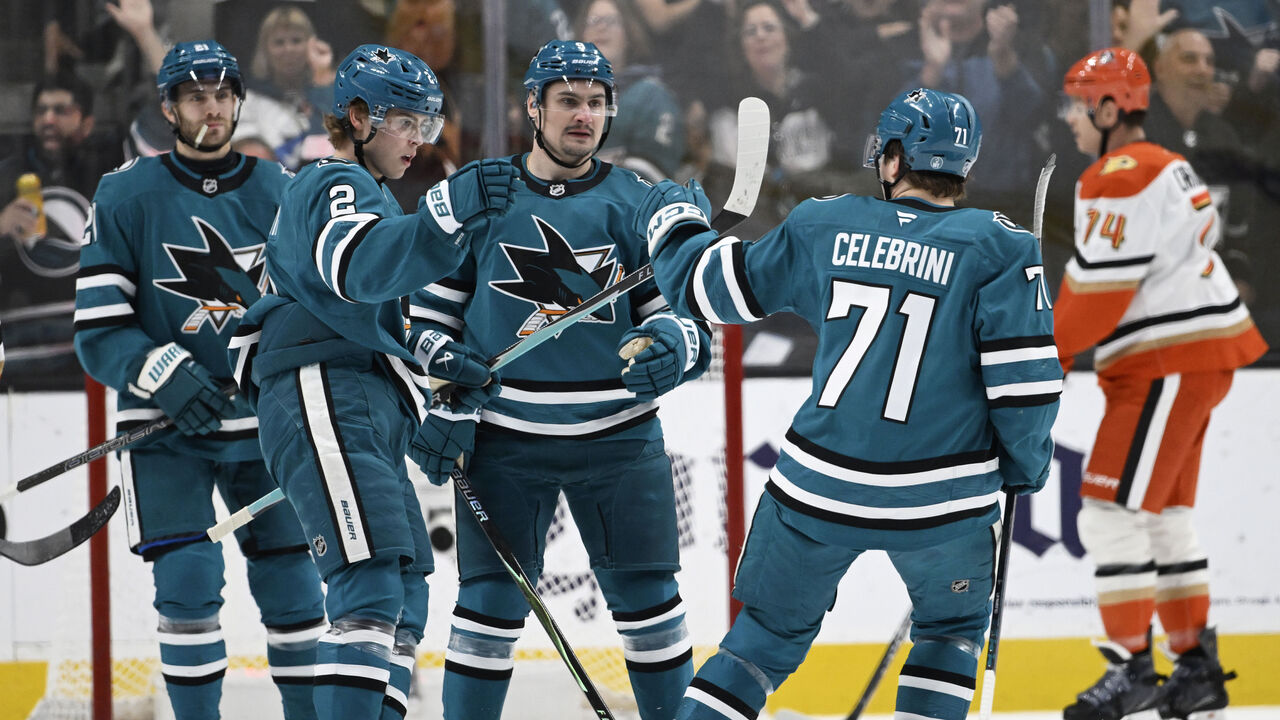
The Sharks are a popular pick to break out this season after Macklin Celebrini's dazzling sophomore campaign nearly dragged a rebuilding roster to the playoffs. Recognizing the rapid ascent, general manager Mike Grier addressed the club's issues on the blue line by bringing in Darnell Nurse, Jacob Trouba, and Michael Kesselring. While there are legitimate concerns about the long-term viability of veterans Nurse and Trouba - especially considering their contracts - San Jose is banking on them to help stabilize things in front of Yaroslav Askarov, who needs to improve for San Jose to meet expectations.
If Grier's defensive additions paper over some cracks that hurt the club last season, the Sharks should boast enough offensive firepower to compete in the weak Pacific Division. Along with Celebrini, San Jose can expect growth from youngsters Will Smith and Michael Misa and may receive a jolt from this year's No. 2 overall pick, Ivar Stenberg. The Sharks will have no trouble lighting the lamp, and if they improve at keeping the puck out of their own net, a playoff berth is attainable.
Trending down 📉
Anaheim Ducks

The Ducks emerged as a playoff team last season and even won a round, but their relevance in the Western Conference may be short-lived after a disastrous offseason. Notably, the club had to cut Chris Kreider - partly due to the Flyers' offer sheet to Leo Carlsson, but also because Anaheim committed a combined $8.35 million to depth pieces A.J. Greer, Jeff Malott, and Nick Jensen on July 1. The Ducks also lost four of their top six defensemen from their Round 2 series against the Vegas Golden Knights, and they currently project to slot Tristan Luneau, Travis Mitchell, and Drew Helleson - who have a combined 142 games of NHL experience - into prominent roles on the blue line.
Anaheim's core of Carlsson, Cutter Gauthier, Beckett Sennecke, and Jackson LaCombe is impressive, but they'll have to do a ton of heavy lifting this season to keep the Ducks in the playoff mix.
Pittsburgh Penguins
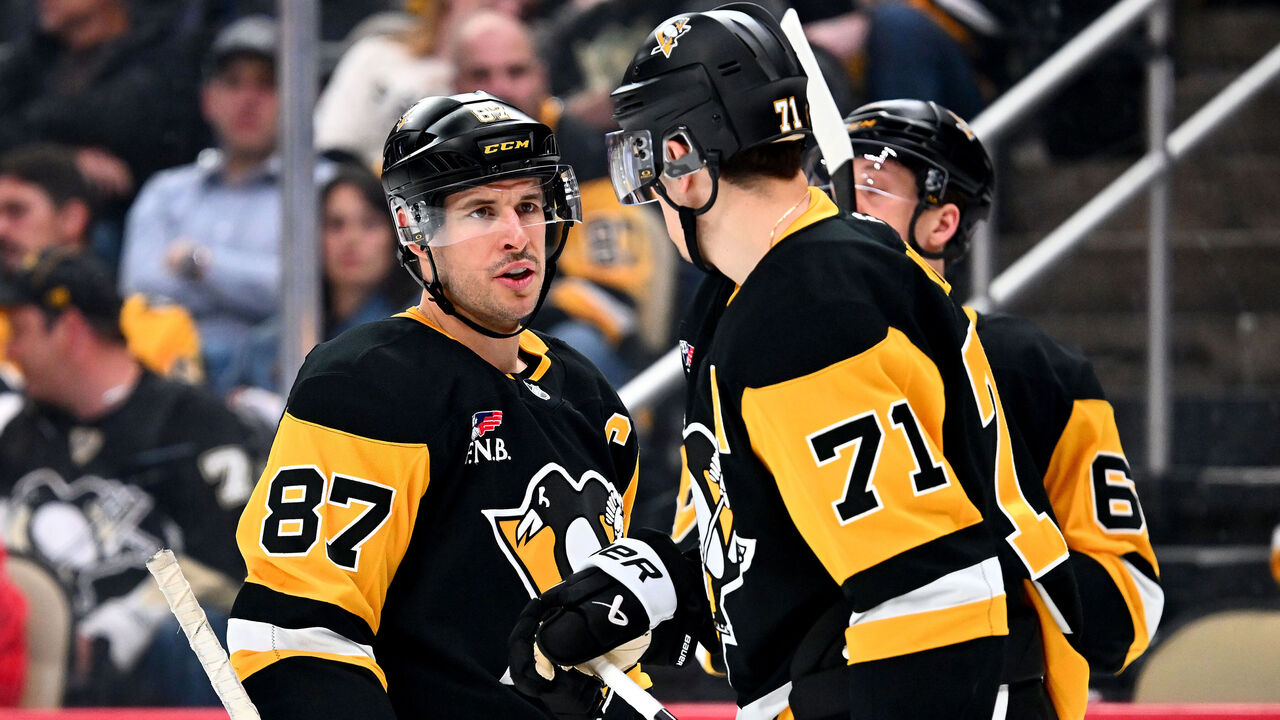
Pittsburgh was one of the NHL's feel-good stories last campaign, as first-year head coach Dan Muse guided the club back to the playoffs and oversaw strong seasons from the team's aging stars. However, the Penguins' brief postseason appearance exposed some significant flaws in their roster, namely defensive depth and goaltending. Neither position was adequately addressed over the summer and remains a big question mark heading into 2026-27.
The Penguins' blue line is headlined by Erik Karlsson, who posted 66 points last season but struggled at five-on-five. Kris Letang looks like a depth player at best at this point in his career, and offseason additions Declan Carlile, Kaedan Korczak, and Trevor van Riemsdyk aren't proven top-four options. Pittsburgh's unpredictable goaltending tandem of Arturs Silovs and Sergei Murashov makes matters even murkier.
Detroit Red Wings
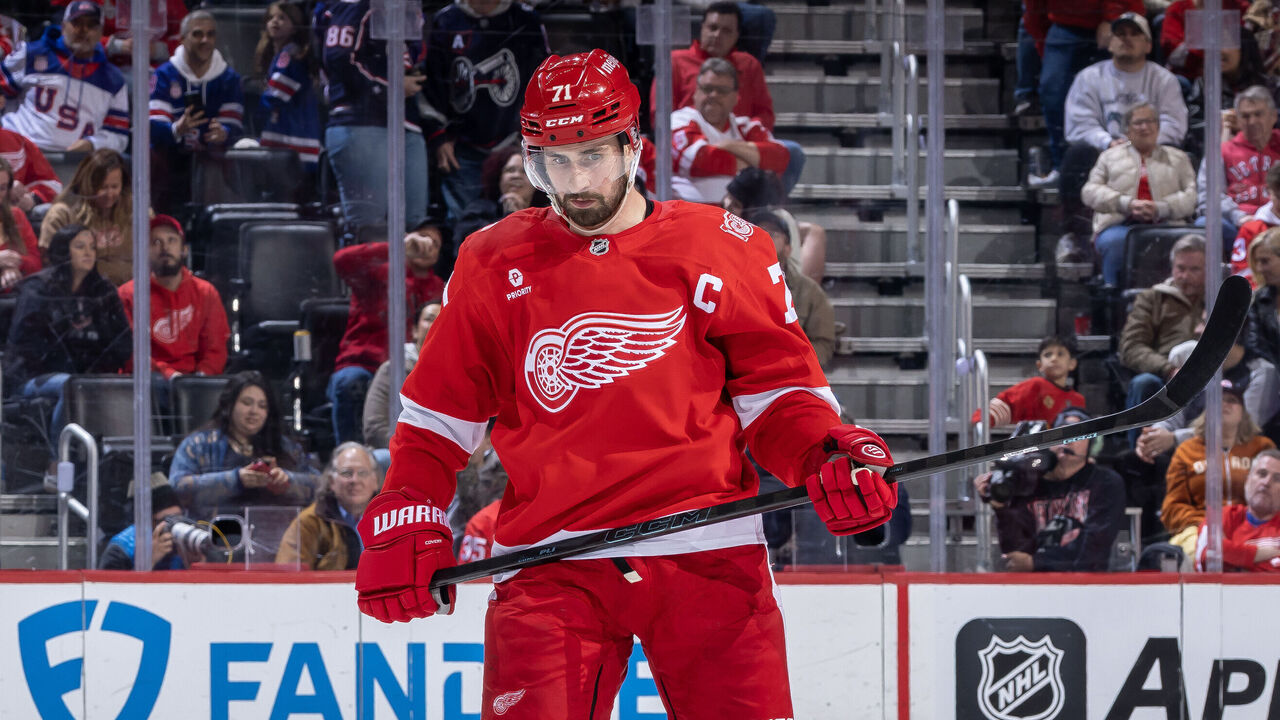
Detroit's inclusion on the trending down list is particularly tough for Red Wings fans, as the club is already mired in a 10-year playoff drought and took a major blow when former captain Dylan Larkin requested a trade this offseason. Nothing has materialized on that front yet, but a team short on center depth will struggle to overcome losing its clear top pivot unless interim GM Shawn Horcoff nails the return by adding players ready to help now.
The Red Wings didn't make any prominent splashes in the free-agent or trade market over the summer despite needing help up front and on the blue line. Simon Edvisson, one of the club's top young defenders, also remains unsigned. Detroit needs to overcome each of these obstacles just to tread water in what might be the league's deepest division.